
What Is a TIJ Printer? A Complete Beginner’s Guide to Thermal Inkjet Printing Technology
2025-11-21(348)Views
Thermal Inkjet printers—commonly known as TIJ printers—have rapidly become one of the most popular coding and marking solutions across manufacturing, packaging, logistics, and e-commerce. Compact size, clean operation, and high-resolution printing make TIJ technology especially appealing to businesses that need efficient and flexible product identification. If you’re new to TIJ printers or considering upgrading from traditional coding systems, this complete beginner’s guide will walk you through how TIJ technology works, what it does best, and why it continues dominating industrial printing in 2025.
1. What Is a TIJ Printer?
A TIJ printer (Thermal Inkjet printer) is a high-resolution printing device that uses electrically heated resistors to vaporize ink and eject droplets through microscopic nozzles. Unlike CIJ (continuous inkjet) systems, TIJ printers operate with sealed cartridges, eliminating solvent tanks, pipes, or complex maintenance routines.
Key characteristics of TIJ printers:
(1)Cartridge-based, clean ink system
(2)High-resolution output (up to 600–1200 DPI)
(3)Minimal maintenance requirements
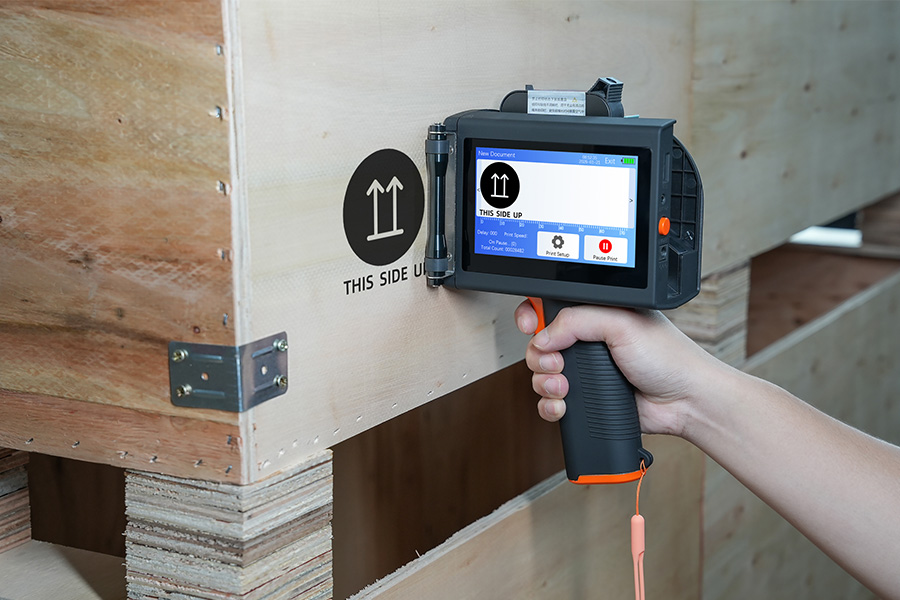
(4)Small, lightweight, and portable
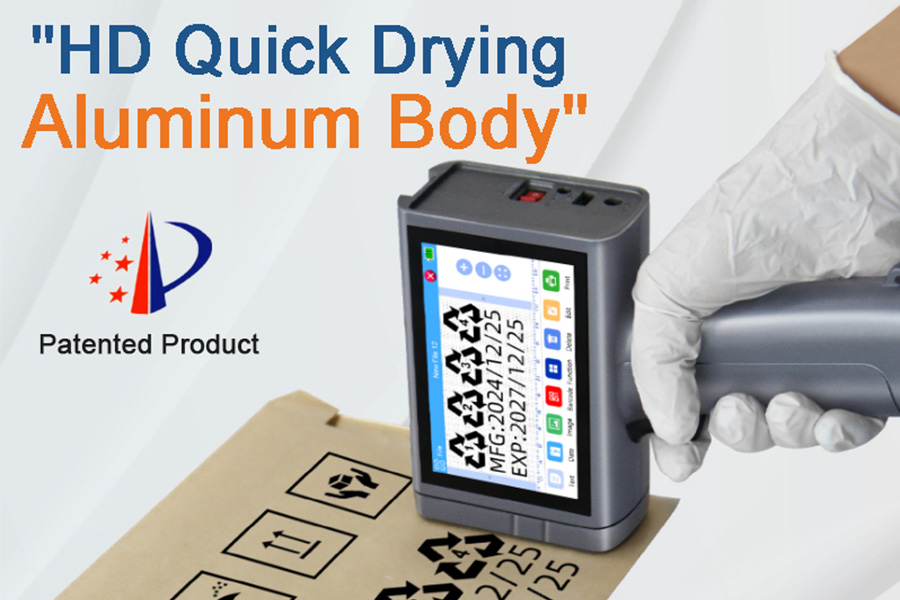
(5)Ideal for text, barcodes, QR codes, batch codes, and logos
For businesses looking to simplify their printing workflow, TIJ printers offer a plug-and-print experience without the heavy setup requirements of traditional coding machines.
2. How TIJ Printing Technology Works
At the heart of every TIJ printer is a thermal resistor array. When activated, these micro-resistors rapidly heat ink in the cartridge, causing it to expand into vapor and push droplets out of each nozzle.
Steps in the TIJ printing process:
(1)Electrical pulse heats the resistor
(2)Ink boils into micro-bubbles
(3)Ink droplet is expelled at high speed
(4)New ink immediately fills the chamber
(5)The cycle repeats thousands of times per second
This ultra-fast process allows TIJ printers to create sharp, precise marks even at high production speeds.

3. What Can TIJ Printers Print On?
Thanks to advancements in fast-drying inks, UV-curable inks, and solvent-based inks, TIJ printers now support a wide range of materials.
Common compatible substrates:
(1)Cardboard and paper
(2)Plastics (PE, PET, PP, PVC)
(3)Metal and aluminum foil
(4)Glass and ceramics
(5)Wood, fabric, and composite materials
Modern TIJ cartridges allow for instant-dry printing even on glossy and non-porous surfaces, making them ideal for industrial coding applications.
4. TIJ Printer vs. Other Coding Technologies
Choosing a coding system depends on print volume, material type, and operational needs. Here’s how TIJ compares:
TIJ vs. CIJ
|
Feature |
TIJ Printer |
CIJ Printer |
|
Maintenance |
Minimal |
High |
|
Ink System |
Cartridge |
Solvent-based |
|
Print Quality |
Very high |
Moderate |
|
Cost |
Low to mid |
High |
|
Mobility |
Portable |
Fixed |
TIJ vs. Laser Marking
(1)TIJ is cheaper and more flexible
(2)Laser offers permanent marks but has high upfront costs
TIJ vs. Handheld Inkjet
TIJ can be industrial inline or portable handheld, offering more versatility compared to typical handheld-only solutions.
5. Applications of TIJ Printers in 2025
TIJ printers are used in nearly every industry that requires product identification.
High-demand applications
(1)Food & beverage packaging
(2)Pharmaceutical batch coding
(3)Cosmetics and skincare labeling
(4)Electronics serial numbering
(5)Amazon FBA and e-commerce shipping workflows
(6)Logistics and warehousing inventory marking
Their small size and low operating costs make them ideal for startups, small production lines, and fast-moving manufacturers.
6. Benefits of Using a TIJ Printer
To aggregate the core advantages, here is what makes TIJ technology increasingly dominant:
✓ High print quality
Perfect for barcodes, QR codes, and logos.
✓ Maintenance-free operation
No solvents, no pumps, no frequent cleaning cycles.
✓ Fast cartridge swapping
Change colors or ink types in seconds.
✓ Lower total cost of ownership
No expensive spare parts, no technician dependency.
✓ Easy integration & portability
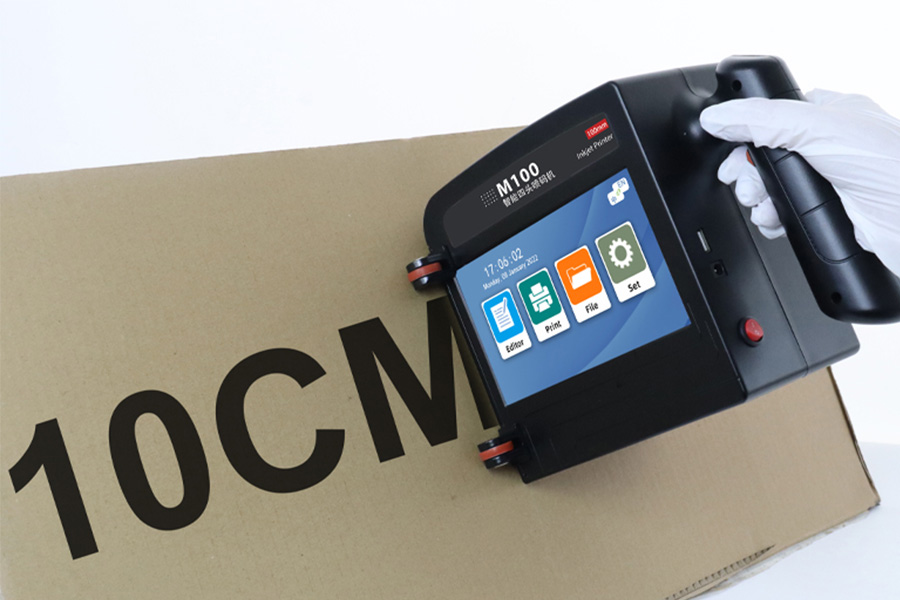
Works on conveyors, production lines, or as handheld units.
7. What to Consider Before Buying a TIJ Printer
Choosing the right TIJ printer requires understanding your production needs:
Key factors to evaluate
(1)Ink type compatibility (water-based, solvent-based, UV-curable)
(2)Substrate materials
(3)Required DPI
(4)Connectivity options (WiFi, USB, Ethernet)
(5)Print height requirements
(6)Cartridge yield and cost per print
Performing a print sample test with your materials is highly recommended to ensure long-term reliability.
8.Take Your Coding Efficiency to the Next Level
If you're looking to upgrade your marking and labeling process, a TIJ printer is one of the smartest investments for 2025.
Want expert recommendations or print sample testing? Contact us today to get the best TIJ printer for your production line.
+MoreRelated recommendations
-
Handheld Inkjet Printer Warranty Questions Buyers Should Ask Before Ordering
Ask these handheld inkjet printer warranty questions to clar...
-
Handheld Inkjet Printer Order Checklist: Printer, Ink, Accessories, and Spare Parts
Use this purchase checklist to confirm the printer, ink, acc...
-
What Information Should You Send for an Accurate Handheld Inkjet Printer Quote?
Use this RFQ worksheet to send the material, message, print ...
-
How to Print Scannable Barcodes and QR Codes on Plastic Packaging
Learn how to print scannable barcodes and QR codes on plasti...
Contact Us

Service phone number+8618759952301
—— Add WeChat communication


