
On-Demand Product Date Coding: A Guide to Real-Time Batch Printing
2025-09-05(375)Views
On the filling line that flows 800 bottles of beverages per minute, the demand for instantaneous changes in batch numbers or expiration dates has become the norm in the manufacturing industry. Real-Time Batch Printing technology compresses the traditional 25-minute manual date code input process to 0.3 seconds by establishing millisecond-level communication between MES/ERP systems and inkjet coding equipment, while eliminating 99.7% of the risk of human error. The core lies in the deployment of a dynamic data engine: When the production batch of the pharmaceutical packaging line is switched, the OPC UA protocol automatically captures the data packet of "batch number + validity period + serial number" from the QM system. After being encrypted by AES-256, it is directly connected to the inkjet printer controller to complete the inkjet printing under the condition that the conveyor belt speed is ≤12m/s, and the character accuracy reaches ±0.1mm (conforming to the GS1-128 barcode standard). After the implementation by a certain multinational dairy company, the recall incidents caused by incorrect date codes were reset to zero.

To achieve precise on-demand coding, three major technical bottlenecks need to be overcome. The first is the instantaneous compatibility of the ink with the substrate - UV-curable ink on polyethylene packaging requires a light intensity of 80mJ/cm² for 0.8 seconds to cure, while heat transfer (TTO) on metal cans demands that the print head temperature be precisely controlled within ±2℃ (185-220℃). The second is the optimization of communication latency: By using 5G private networks to replace traditional industrial WiFi, the instruction transmission latency is reduced from 120ms to 8ms, ensuring that data loading is completed within a 200ms inkjet printing window (such as the 0.45-second inkjet coding gap per can in a canning line). The third is the dynamic calibration system: It provides real-time feedback on the product position offset through a laser distance sensor (triggering compensation when it exceeds 0.5mm), and combines AI visual recognition of the printing quality. When the gray value is detected to be lower than 15% (ISO/IEC 15415 standard), it automatically adjusts the ink pressure by ±0.2psi.
+MoreRelated recommendations
-
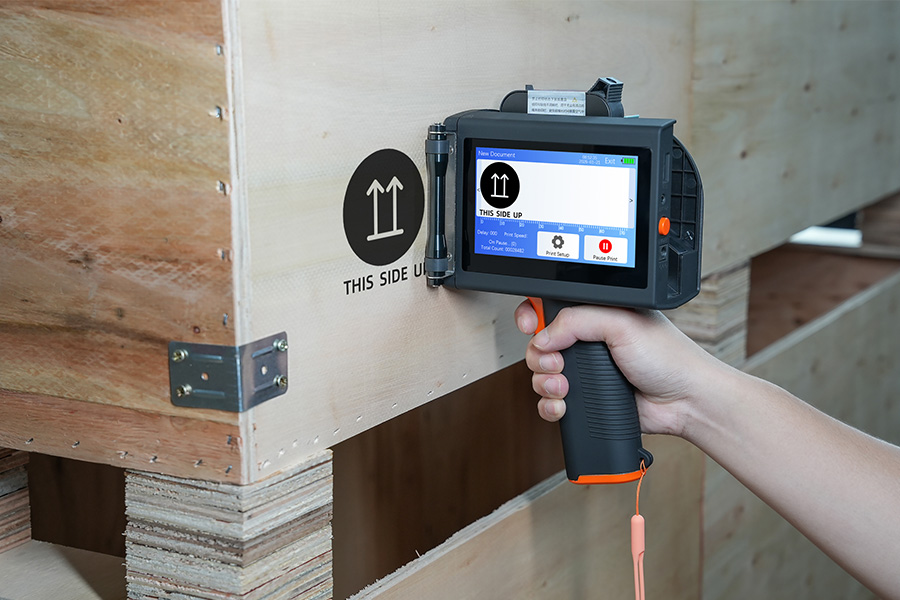
Handheld Inkjet Printer Warranty Questions Buyers Should Ask Before Ordering
Ask these handheld inkjet printer warranty questions to clar...
-
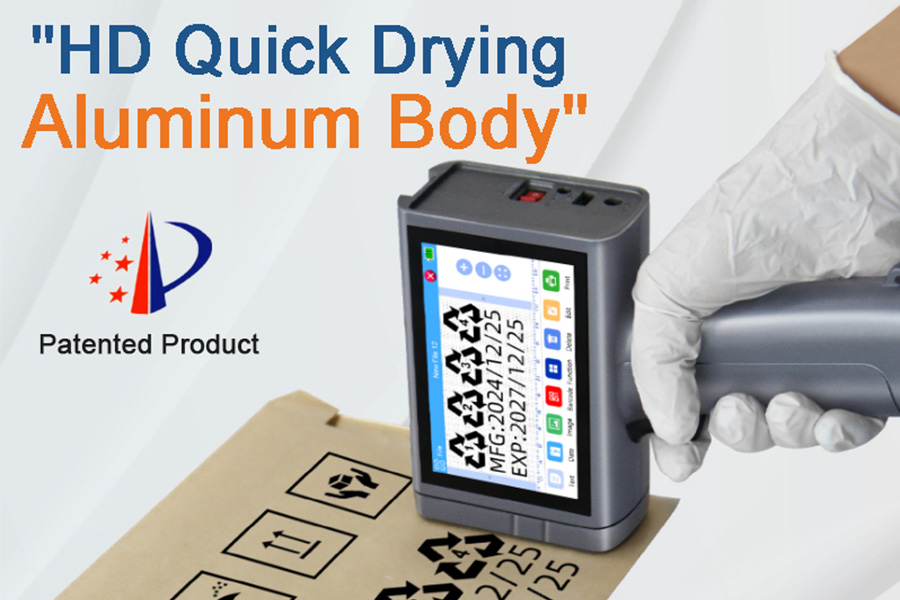
Handheld Inkjet Printer Order Checklist: Printer, Ink, Accessories, and Spare Parts
Use this purchase checklist to confirm the printer, ink, acc...
-
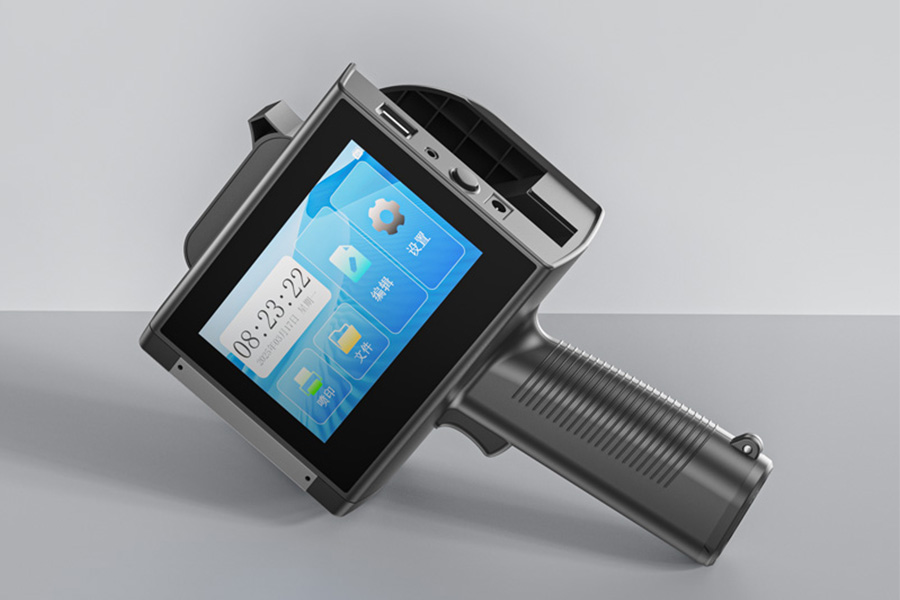
What Information Should You Send for an Accurate Handheld Inkjet Printer Quote?
Use this RFQ worksheet to send the material, message, print ...
-
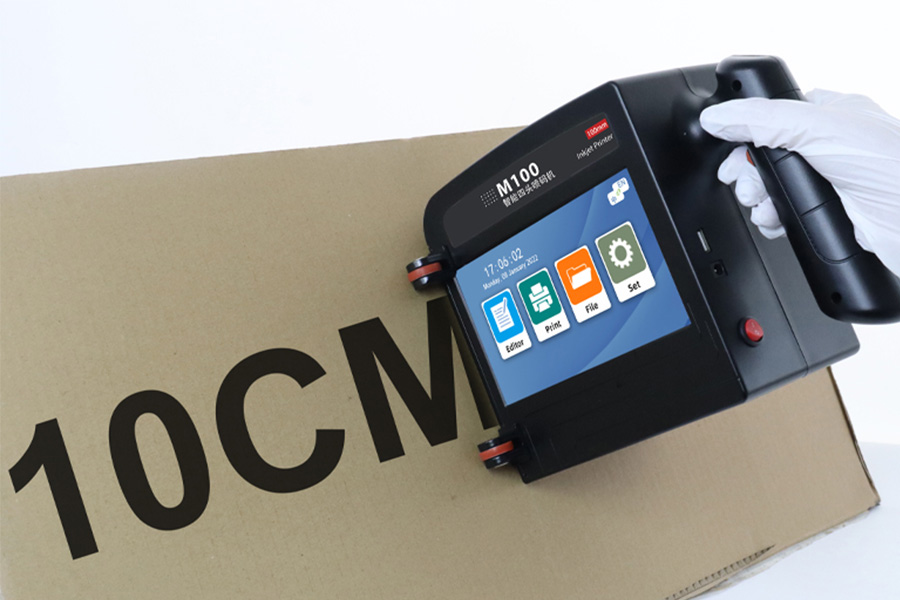
How to Print Scannable Barcodes and QR Codes on Plastic Packaging
Learn how to print scannable barcodes and QR codes on plasti...
Contact Us

Service phone number+8618759952301
—— Add WeChat communication


