
Why Battery-Operated Inkjet Coders Revolutionize Mobile Manufacturing
2025-09-05(385)Views
In today's rapidly changing manufacturing environment, mobile manufacturing has become a trend, which requires production lines to have a high degree of flexibility and mobility to quickly adapt to changes in market demand. Against this backdrop, battery-Operated Inkjet Coders, with their unique advantages, are revolutionizing the face of mobile manufacturing and have become key tools for many manufacturers to enhance production efficiency and reduce costs.

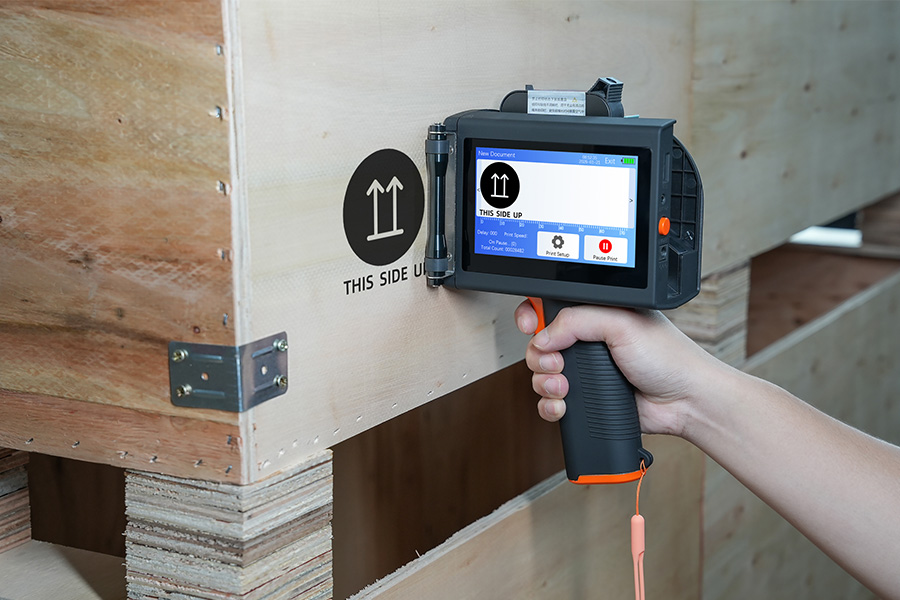
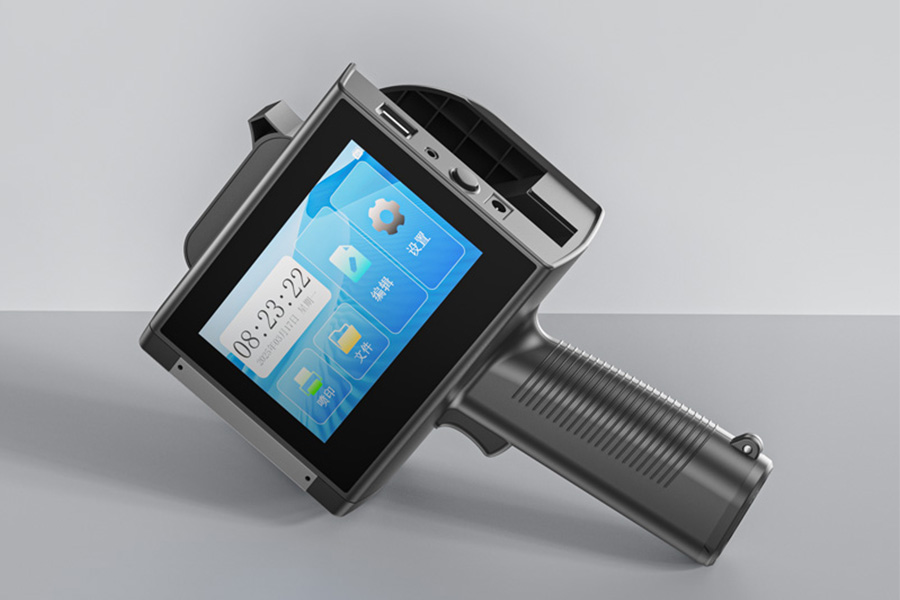
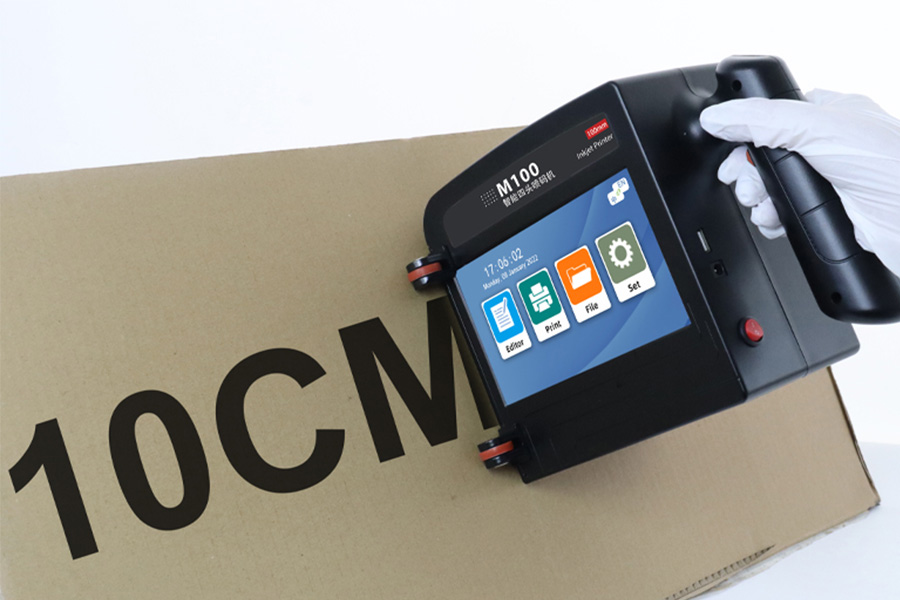
The core of mobile manufacturing lies in flexibility, which means that production lines need to be able to be rapidly deployed and adjusted in different locations and even globally. Traditional marking methods, such as printing labels or manual writing, often fail to meet this demand for flexibility. They are not only inefficient but also prone to errors, increasing the difficulty of product tracking and recall. Battery-Operated Inkjet Coders are completely different. They are small and lightweight, do not require an external power supply, and can work continuously for several hours or even longer with just one battery. This portability enables them to be easily deployed at any production site, whether it is a factory workshop, warehouse or outdoor environment, and they can be put into use quickly.
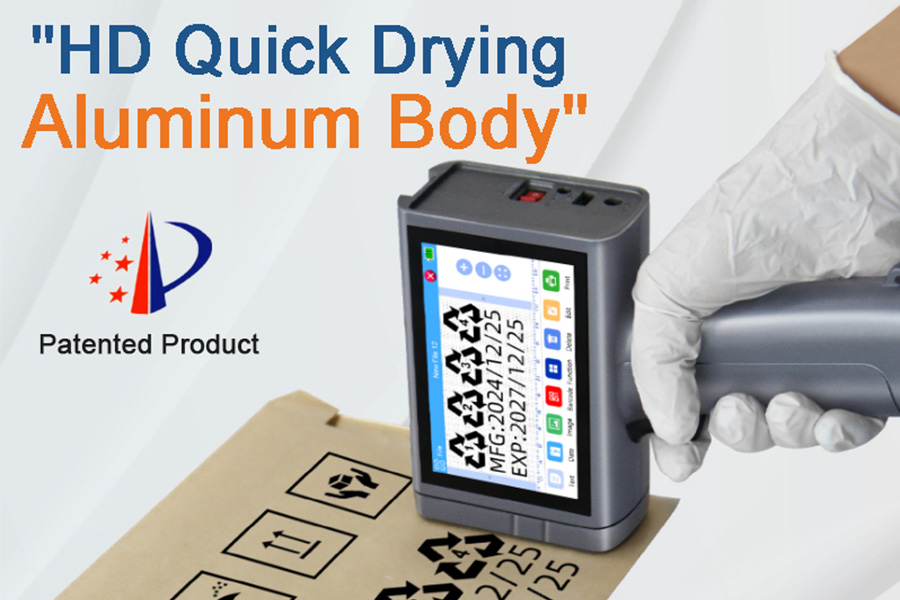
In addition to portability, battery-powered inkjet encoders also have efficient and accurate marking capabilities. They adopt advanced inkjet technology and can accurately and clearly mark product information such as production dates, batch numbers, barcodes, etc. on high-speed moving production lines. This high-quality marking effect not only enhances the traceability of the product but also boosts consumers' trust in the brand. In addition, as the inkjet encoder operates automatically, it significantly reduces manual intervention, lowers the error rate, and enhances the overall production efficiency.

From a cost perspective, battery-powered inkjet encoders also have significant advantages. Compared with traditional marking methods, they do not require complex installation and maintenance, reducing the operating costs of enterprises. Meanwhile, as it is powered by batteries, compared with traditional electric-driven equipment, it has lower energy consumption and is more in line with the requirements of environmental protection and energy conservation. This is particularly important in today's world where sustainable development is increasingly a concern.
In the field of mobile manufacturing, Operated Inkjet Coders have been widely applied. For instance, in industries such as electronic products, auto parts, and food processing, manufacturers are adopting this kind of equipment one after another to enhance production efficiency and market competitiveness. They not only meet the demand for production line flexibility, but also enhance product quality and brand image.
+MoreRelated recommendations
-
Handheld Inkjet Printer Warranty Questions Buyers Should Ask Before Ordering
Ask these handheld inkjet printer warranty questions to clar...
-
Handheld Inkjet Printer Order Checklist: Printer, Ink, Accessories, and Spare Parts
Use this purchase checklist to confirm the printer, ink, acc...
-
What Information Should You Send for an Accurate Handheld Inkjet Printer Quote?
Use this RFQ worksheet to send the material, message, print ...
-
How to Print Scannable Barcodes and QR Codes on Plastic Packaging
Learn how to print scannable barcodes and QR codes on plasti...
Contact Us

Service phone number+8618759952301
—— Add WeChat communication


