
Handheld Inkjet Printer Buying Guide: What to Look for in 2025
2025-11-07(470)Views
Why Choosing the Right Handheld Inkjet Printer Matters
Handheld inkjet printers have become essential tools for modern operations. From printing batch codes to marking packaging, their mobility and efficiency make them must‑have equipment for 2025. The right choice improves accuracy, reduces operational costs, and increases overall productivity.
To learn more about broader advantages, see our Top 10 Benefits of Using a Handheld Inkjet Printer for Small Businesses.
1. Print Quality (DPI) and Resolution Standards in 2025
Print clarity remains one of the most important criteria when evaluating handheld coding printers. A minimum of 300 DPI is necessary for readable text and scannable barcodes, but premium models now offer up to 600 DPI, delivering:
(1)Sharper date codes
(2)High‑contrast barcodes
(3)More professional packaging appearance
(4)Better traceability for logistics and supply chain

2. Ink Type Compatibility: Solvent Ink vs. Water‑Based Ink
Choosing the correct ink type ensures that prints adhere correctly to different materials.
✅ Solvent‑Based Ink
Best suited for:
(1)Metal
(2)Plastic
(3)PVC
(4)Glass
(5)Coated cardboard
Advantages:
(1)Fast drying
(2)Strong adhesion
(3)Smudge resistance
✅ Water‑Based Ink
Best for:
(1)Carton
(2)Paper
(3)Wood
Advantages:
(1)Lower cost
(2)Eco‑friendly
(3)Ideal for porous surfaces
To troubleshoot ink adhesion issues, refer to Common Problems With Handheld Inkjet Printers and How to Fix Them .
3. Battery Life and Power Efficiency
A reliable handheld inkjet printer should support long working hours. In 2025, the standard expectation includes:
(1)6–12 hours continuous operation
(2)Fast Type‑C charging
(3)Optional swappable batteries
This is especially important for warehouse or production environments with high labeling frequency.
4. Supported Materials and Surface Compatibility
The best handheld inkjet printer should support printing on both porous and non‑porous surfaces:
(1)Cardboard boxes
(2)Plastic packaging
(3)Metal parts
(4)Pipes and cables
(5)Glass bottles
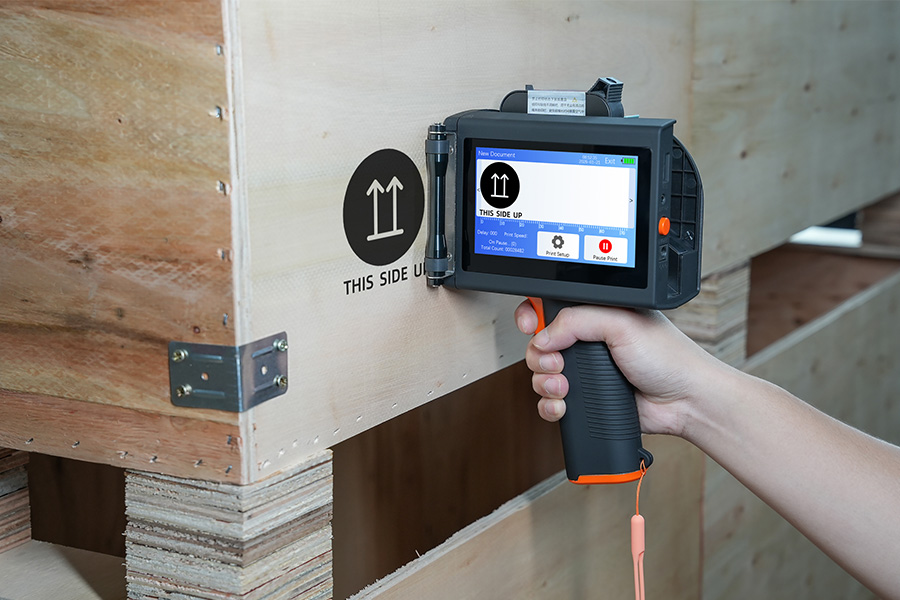
(6)Wood pallets
(7)Cement blocks
If your business frequently switches packaging types, choose a model with multi‑surface adaptability.
5. Cartridge Cost, Ink Efficiency, and Long‑Term Operational Expense
Ink cost significantly impacts long‑term usage. When selecting a device, evaluate:
(1)Cartridge yield (prints per cartridge)
(2)Price per milliliter
(3)Availability of compatible cartridges
(4)Support for bulk or refillable ink systems
Higher ink efficiency means lower cost per print.
6. Display, Interface & Usability
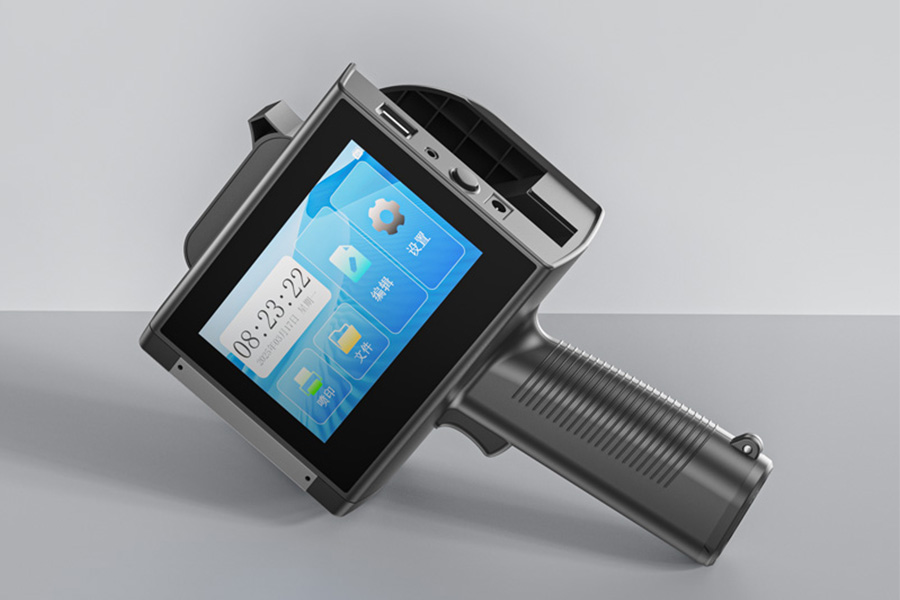
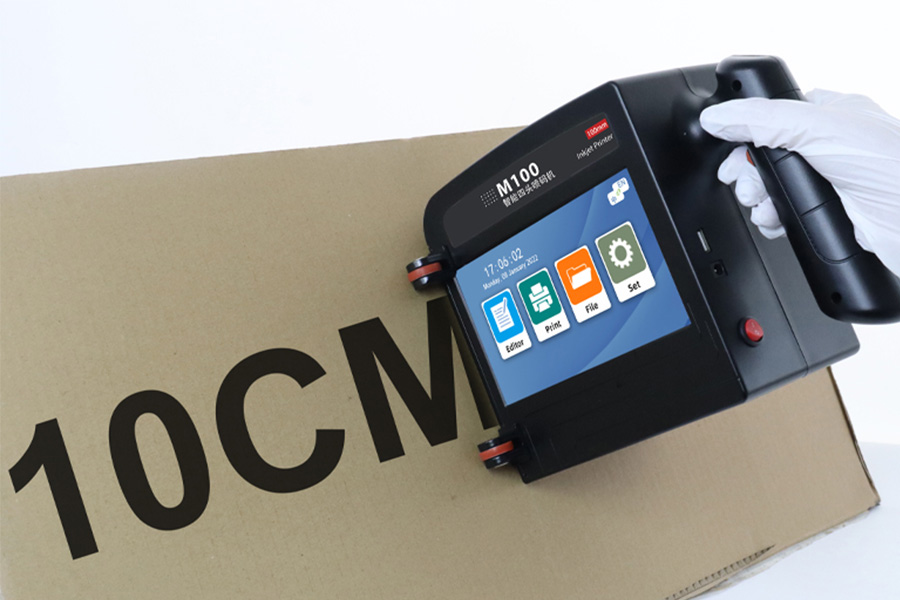
Modern handheld inkjet printers feature intuitive touchscreens, preset templates, and easy import tools.
Ideal interface features include:
(1)3.5–5 inch touchscreen
(2)Template library for dates, barcodes, labels
(3)File import via USB/WiFi/Bluetooth
(4)Real‑time preview before printing
7. Connectivity Options (WiFi, Bluetooth, USB)
In 2025, strong connectivity matters more than ever. Look for models that support:
(1)WiFi for cloud template syncing
(2)Bluetooth for quick file transfer
(3)USB input for logo imports
Cloud connectivity helps teams update information across devices without physical transfers.
8. Build Quality, Durability & Ergonomics
Industrial environments require tough, durable hardware. The ideal handheld inkjet printer should provide:
(1)Shock‑resistant housing
(2)Anti‑slip grip design
(3)Lightweight but sturdy body
(4)Durable printhead construction
For tough environments like pipes, steel plants, and outdoor construction, rugged design is a must.
9. Warranty, After‑Sales Support & Brand Credibility
Reliable after‑sales service dramatically affects long‑term user experience.
Look for:
(1)1–2 year official warranty
(2)Easy availability of spare parts
(3)Fast customer service response
(4)Stable firmware updates
This is also where choosing authoritative, well‑reviewed brands offers long‑term value.
10. Price Comparison & Value Assessment
When comparing handheld inkjet printers, consider the balance between:
(1)Upfront cost
(2)Ink consumption cost
(3)Durability
(4)Supported features
(5)Accuracy and print quality
A higher initial investment can reduce cost per print over time.
+MoreRelated recommendations
-
Handheld Inkjet Printer Warranty Questions Buyers Should Ask Before Ordering
Ask these handheld inkjet printer warranty questions to clar...
-
Handheld Inkjet Printer Order Checklist: Printer, Ink, Accessories, and Spare Parts
Use this purchase checklist to confirm the printer, ink, acc...
-
What Information Should You Send for an Accurate Handheld Inkjet Printer Quote?
Use this RFQ worksheet to send the material, message, print ...
-
How to Print Scannable Barcodes and QR Codes on Plastic Packaging
Learn how to print scannable barcodes and QR codes on plasti...
Contact Us

Service phone number+8618759952301
—— Add WeChat communication


