
Top Industrial Uses of Inkjet Marking Guns in 2025
2025-12-05(335)Views
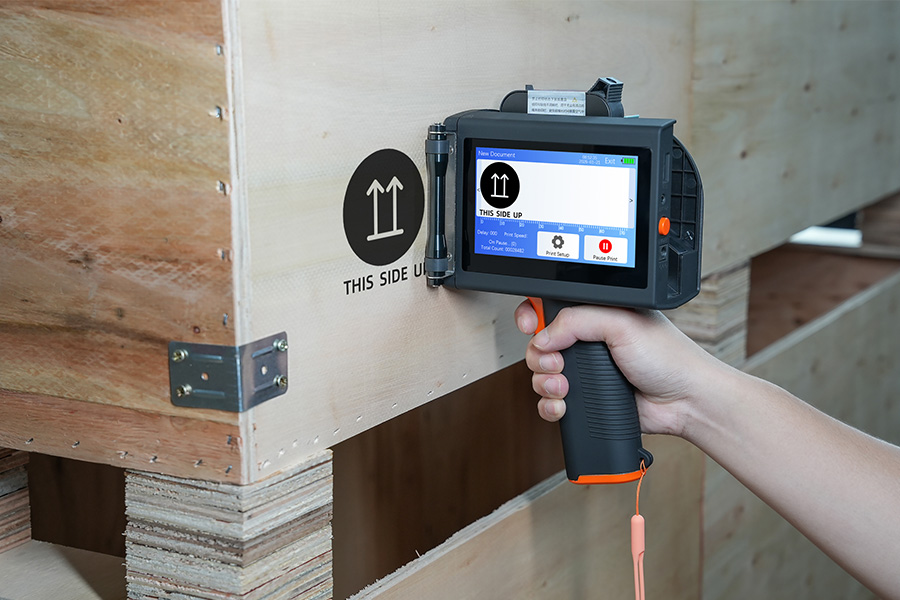
Inkjet marking guns have become one of the fastest-growing coding and marking tools across global manufacturing. In 2025, industries with high mobility requirements and diversified material types—such as logistics, construction, automotive, and fast-moving consumer goods—are rapidly adopting portable inkjet marking guns to replace traditional labeling methods. This shift is driven by new demands for flexibility, cost-efficiency, real-time traceability, and compliance with stricter labeling regulations.
1. Packaging & FMCG: High-Speed, High-Volume Coding on the Go
In the fast-moving consumer goods sector, inkjet marking guns are widely used for:
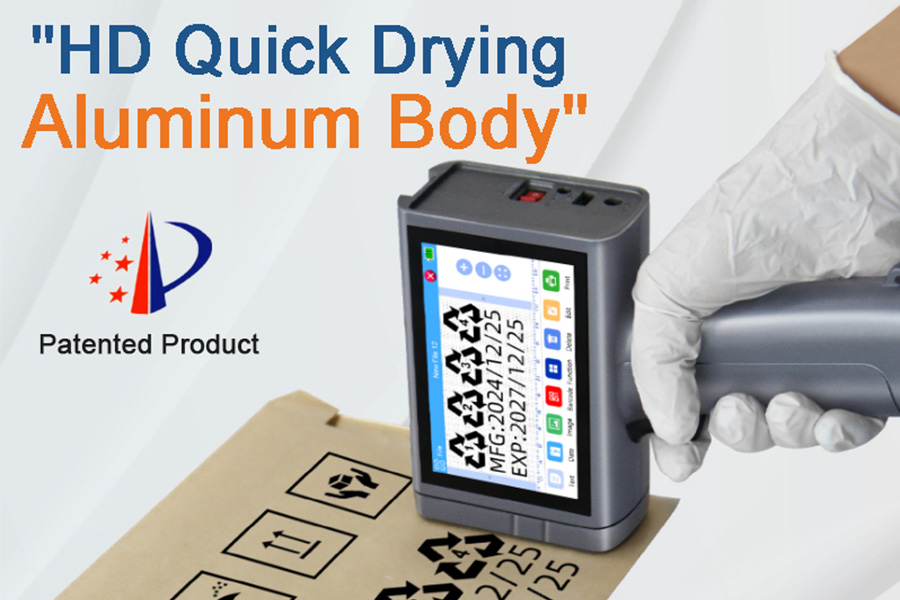
(1)Expiration dates
(2)Batch codes
(3)Lot numbers
(4)Product traceability marks
(5)Regulatory compliance printing
Why 2025 FMCG Brands Prefer Inkjet Marking Guns
(1)Faster setup for short production runs
(2)Easy switching between SKUs
(3)Ideal for start-ups or small manufacturing lines
(4)Works on cartons, bottles, plastics, pouches, metal cans, and more
The ability to print directly on different packaging materials makes inkjet marking guns a practical alternative to bulky industrial machines.
2. Warehousing & Logistics: Label-Free, Real-Time Identification
With the explosive growth of e-commerce and same-day delivery services, logistics operations need instant marking tools for:
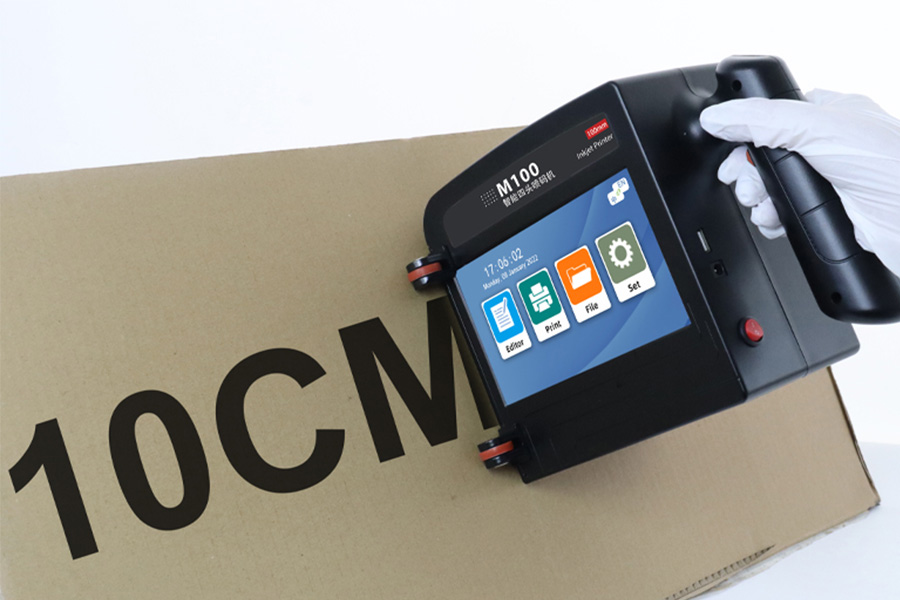
(1)Shipping boxes
(2)Pallets
(3)Warehouse shelving
(4)Inventory management
(5)Cross-docking operations
Key 2025 Trends in Logistics Marking
(1)Inkjet marking guns replace peel-and-stick labels
(2)Improved readability for barcode and QR-code printing
(3)Reduced labeling waste
(4)High-visibility marks for fast scanning
Portable inkjet marking guns help logistics teams minimize delays and avoid bottlenecks during peak shipping seasons.
3. Construction & Building Materials: Durable Codes on Rugged Surfaces
Construction materials often have rough, uneven, dusty, or porous surfaces, making them difficult to mark with standard label printers.
Inkjet marking guns excel in marking:
(1)Concrete blocks
(2)Lumber
(3)Steel beams
(4)PVC pipes
(5)Bricks and tiles
(6)Insulation materials

Why They Work
Modern solvents used in 2025 TIJ and PIJ cartridges allow prints to adhere even under extreme conditions such as heat, moisture, and abrasion.
This is why construction suppliers increasingly rely on inkjet marking guns for product tracking, safety compliance, and inventory control.
4. Automotive & Metal Fabrication: High-Resolution Industrial Coding
In the automotive sector, precision and traceability are critical.
Inkjet marking guns are used for:
(1)Metal part identification
(2)VIN component marking
(3)Maintenance labels
(4)Engine parts & machinery codes
(5)Inspection stamps
Advantages for Automotive Use
(1)Smudge-resistant inks for oily or metallic surfaces
(2)Consistent high-resolution prints
(3)Ideal for low-quantity or on-site repair workflows
With more EV component manufacturing in 2025, portable coding tools are becoming standard equipment for part verification teams.
5. Agriculture & Food Processing: Safe and Compliant Traceability
Inkjet marking guns support essential agricultural labeling:
(1)Produce lot numbers
(2)Field-to-shelf traceability
(3)Processing dates
(4)Grade classification
(5)Packaging sacks & crates
Why Agriculture Chooses Inkjet Marking Guns
(1)No label waste
(2)Lower operating costs
(3)Portable enough for outdoor use
(4)Suitable for uneven or moisture-prone surfaces
This makes them perfect for farms, packhouses, and food distribution centers.
6. Chemical & Pharmaceutical Sector: Regulatory-Driven Printing
Strict regulations in 2025 require clear, accurate, and permanent printing on:
(1)Chemical containers
(2)Medicine boxes
(3)Laboratory packaging
(4)Storage drums
(5)Hazard warnings
Inkjet marking guns offer compliant printing with options for:
(1)UV-resistant ink
(2)Anti-counterfeit codes
(3)Micro text
(4)High-contrast solvent-based markings
Pharmaceutical operations especially value the precision and reliability of thermal inkjet (TIJ) technology.
7. Field Service & On-Site Industrial Inspections
Technicians and inspectors rely on inkjet marking guns for:
(1)Marking inspection points
(2)Labeling repaired equipment
(3)Identifying faulty components
(4)Tagging installations in remote locations
Why They’re Ideal for Field Technicians
(1)Lightweight and portable
(2)Long battery life
(3)Works without any fixed production line
(4)Supports QR, barcodes, timestamps, and serialized IDs
On-site workers can perform compliance marking without needing return trips to the main facility.
Industry-Wide Benefits Driving Adoption in 2025
✔ Flexible, mobile operation
✔ Lower total cost of ownership
✔ Minimal maintenance
✔ High-quality text, QR codes, and barcodes
✔ Works on almost any surface
✔ Perfect for small to medium production runs
Across industries, inkjet marking guns provide unmatched versatility compared to traditional printers or labeling systems.
Ready to Upgrade Your Industrial Marking Workflow?
If you’re looking to improve efficiency, reduce operating costs, or modernize your marking system in 2025, a high-performance inkjet marking gun may be the best move.
Want expert recommendations or help choosing the right model?
Contact us today for personalized guidance and a product demo tailored to your industry needs.
+MoreRelated recommendations
-
Handheld Inkjet Printer Warranty Questions Buyers Should Ask Before Ordering
Ask these handheld inkjet printer warranty questions to clar...
-
Handheld Inkjet Printer Order Checklist: Printer, Ink, Accessories, and Spare Parts
Use this purchase checklist to confirm the printer, ink, acc...
-
What Information Should You Send for an Accurate Handheld Inkjet Printer Quote?
Use this RFQ worksheet to send the material, message, print ...
-
How to Print Scannable Barcodes and QR Codes on Plastic Packaging
Learn how to print scannable barcodes and QR codes on plasti...
Contact Us

Service phone number+8618759952301
—— Add WeChat communication


