
Inkjet Marking Gun Safety Guide: Proper Use in Industrial Environments
2025-12-19(292)Views
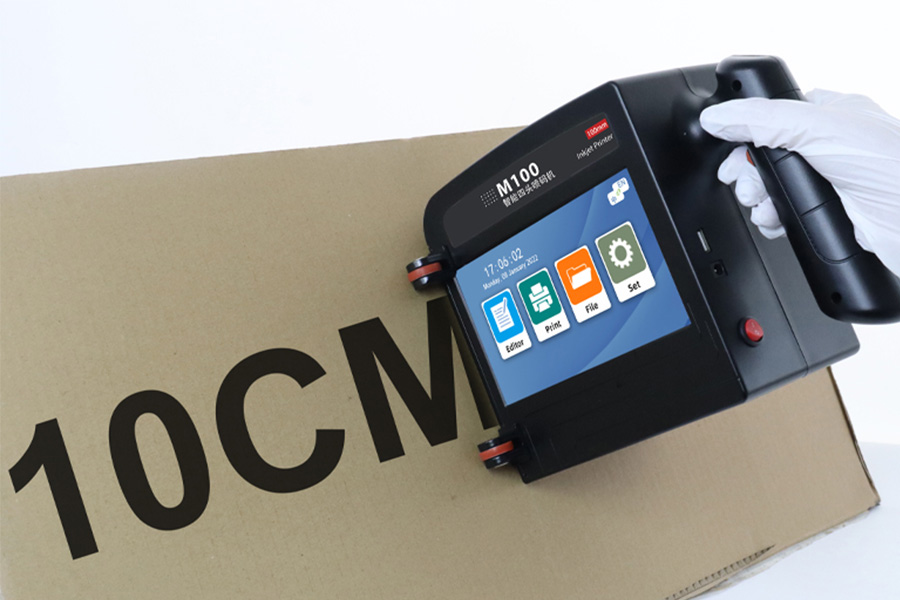
Inkjet marking guns have become essential tools in modern manufacturing, logistics, and industrial coding environments. Their portability, high-resolution printing, and flexibility make them ideal for fast, on-demand product identification. However, like any industrial tool, proper safety practices are necessary to protect operators, maintain production efficiency, and ensure compliance with workplace safety standards.
Why Safety Matters When Using an Inkjet Marking Gun
Inkjet marking guns may appear simple, but they operate in dynamic industrial environments—around moving machinery, heavy materials, and chemicals. Poor handling can lead to:
(1)Incorrect or unreadable codes
(2)Ink spills or chemical exposure
(3)Damage to the printer
(4)Worker injury
(5)Production downtime
Understanding essential safety protocols ensures consistent printing quality and minimizes operational risks.
Key Risks Associated With Inkjet Marking Gun Usage
1. Chemical Exposure From Ink Cartridges
Industrial ink often contains solvents designed for fast drying and adhesion to multiple surfaces. Mishandling cartridges can expose operators to fumes or skin contact.
Risks include:
(1)Skin irritation
(2)Respiratory discomfort
(3)Eye irritation
Preventive tip: Always handle cartridges with gloves and ensure proper ventilation.
2. Improper Handling Near Moving Equipment
Operators often mark items near conveyor belts, forklifts, and automated lines. Poor positioning increases the risk of impact or injury.
Risks include:
(1)Hand injuries
(2)Dropped equipment
(3)Interference with moving machinery
Preventive tip: Only mark products in designated safe zones.
3. Electrical or Battery Hazards
Portable inkjet marking guns typically run on rechargeable lithium batteries, which require safe handling.
Possible hazards:
(1)Overheating
(2)Short-circuiting
(3)Battery swelling
Preventive tip: Use manufacturer-approved chargers and store batteries properly.

Essential Safety Guidelines for Industrial Use
1. Train Operators Thoroughly
Employees should be trained on:
(1)Safe handling and operation
(2)Ink replacement procedures
(3)Device maintenance
(4)Emergency shutdown steps
Proper training reduces accidents and keeps marking consistent.
2. Maintain a Clean, Organized Workspace
Cluttered work areas increase slip, trip, and fall hazards.
Best practices:
(1)Keep surfaces dry and ink-free
(2)Store cartridges in sealed containers
(3)Use anti-slip mats in wet environments
3. Use PPE (Personal Protective Equipment)
Depending on your facility, operators may require:
(1)Protective gloves
(2)Safety glasses
(3)Respirators when using solvent-based ink
(4)Anti-static shoes
Following PPE guidelines helps maintain compliance with OSHA and industrial safety standards.
4. Follow the Manufacturer’s Technical Guidelines
Every inkjet marking gun model comes with specific safety instructions regarding:
(1)Ink compatibility
(2)Operating temperature
(3)Battery care
(4)Cleaning procedures
Ignoring these instructions can damage the device or void warranties.
5. Perform Regular Inspections
Routine checks help detect issues early.
Inspect for:
(1)Clogged nozzles
(2)Loose components
(3)Battery wear
(4)Ink leakage
(5)Trigger malfunction
A well-maintained device is safer and performs better.
Environmental Safety Considerations
Proper Ventilation
Industrial solvent-based inks may emit mild fumes. Ensure ventilation systems are functional and regularly inspected.
Safe Ink Disposal
Never dispose of ink cartridges in general waste. Follow EPA and local regulations for chemical waste disposal.
Temperature Management
Extreme heat or cold can cause ink expansion, viscosity changes, or clogging.
Safe Storage Practices for Ink and Equipment
(1)Store cartridges in temperature-stable areas
(2)Keep equipment in padded or protective cases
(3)Separate ink types (solvent, water-based, UV-curable)
(4)Avoid sunlight exposure
Good storage habits extend both safety and equipment lifespan.
How Safe Operation Improves Productivity and Quality
Using inkjet marking guns safely results in:
(1)Fewer coding errors
(2)Fewer damaged cartridges
(3)Reduced workplace accidents
(4)Faster, smoother marking workflows
(5)Longer device lifespan
Safety is not only a compliance requirement—it directly boosts operational efficiency.
If your facility is ready to improve coding safety, efficiency, and reliability, now is the perfect time to upgrade your equipment.
Contact us today for expert recommendations on the safest, most advanced inkjet marking guns for industrial use.
+MoreRelated recommendations
-

Handheld Inkjet Printer Warranty Questions Buyers Should Ask Before Ordering
Ask these handheld inkjet printer warranty questions to clar...
-

Handheld Inkjet Printer Order Checklist: Printer, Ink, Accessories, and Spare Parts
Use this purchase checklist to confirm the printer, ink, acc...
-

What Information Should You Send for an Accurate Handheld Inkjet Printer Quote?
Use this RFQ worksheet to send the material, message, print ...
-
How to Print Scannable Barcodes and QR Codes on Plastic Packaging
Learn how to print scannable barcodes and QR codes on plasti...
Contact Us

Service phone number+8618759952301
—— Add WeChat communication


