
Handheld Inkjet Printer vs. Traditional Labeling Machines: Which Is Better?
2025-11-07(289)Views
As product identification, traceability, and regulatory compliance continue to expand across global industries, businesses are reevaluating their labeling technologies. Two primary solutions dominate the market: handheld inkjet printers and traditional labeling machines. Each system offers distinct advantages in terms of efficiency, cost, flexibility, and long-term value. Understanding the differences between these two labeling approaches is essential for businesses looking to optimize their production workflow and improve labeling accuracy.
In this article, we compare handheld inkjet printers with traditional labeling machines, analyze their performance across multiple industry scenarios, and help you decide which solution best meets your operational needs.
1. Overview of Labeling Technologies
1.1 What Is a Handheld Inkjet Printer?
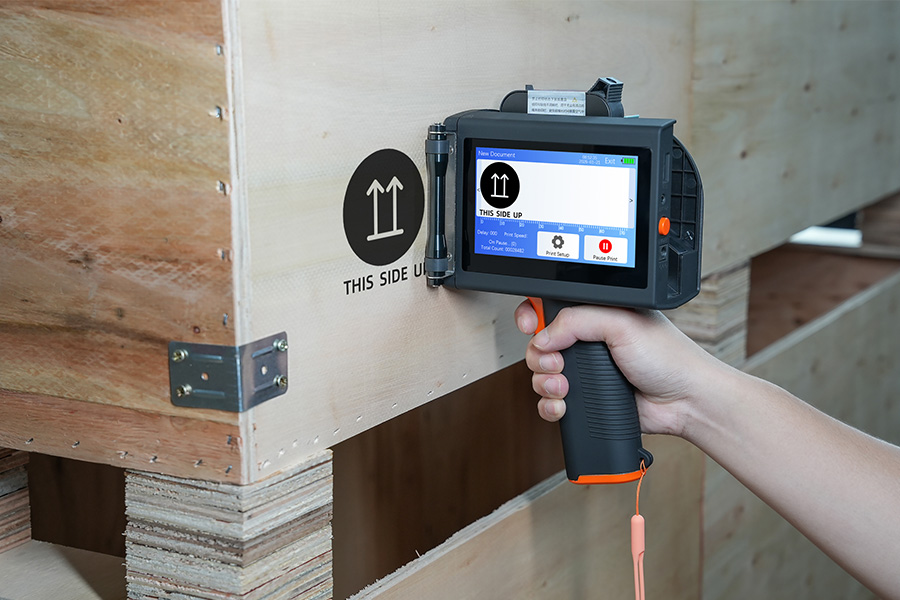
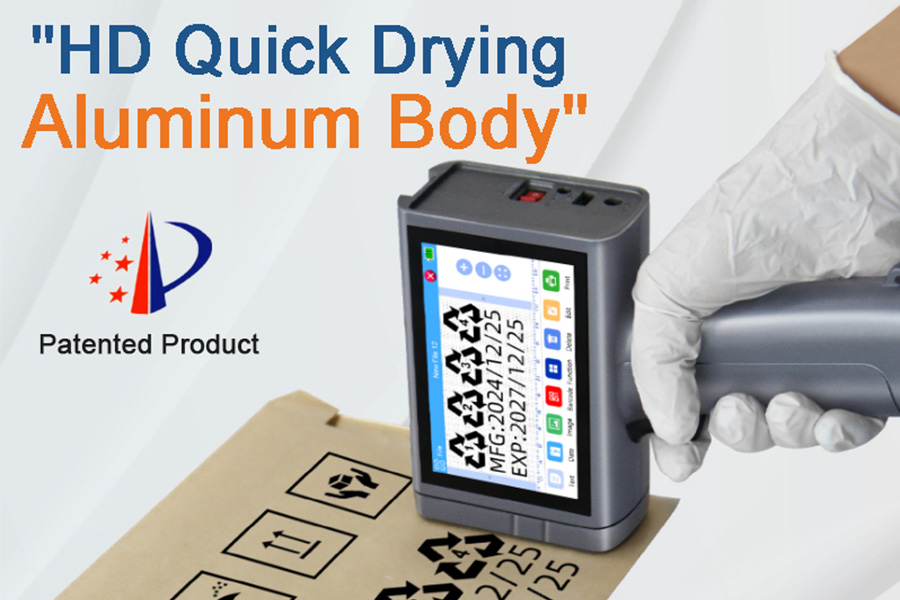
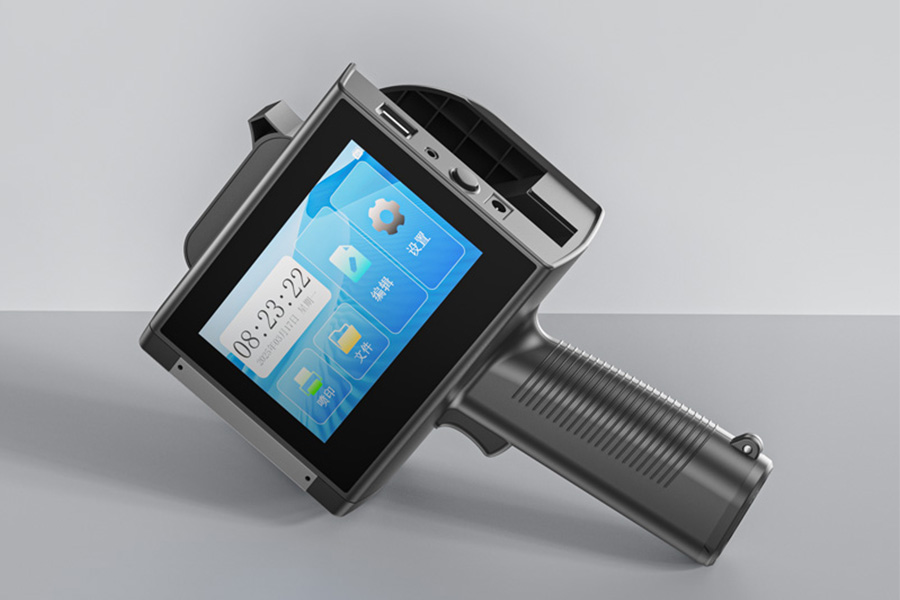
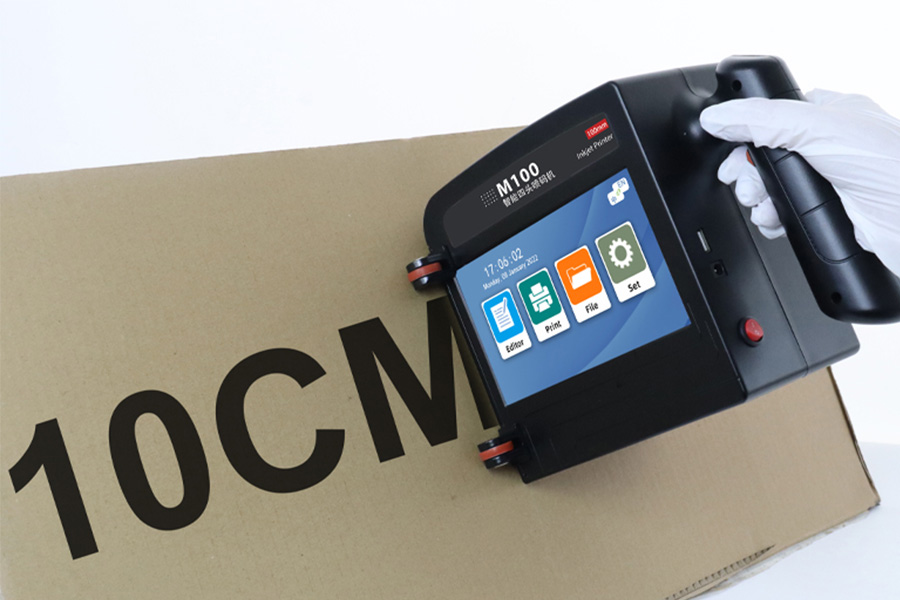
A handheld inkjet printer is a portable, digital marking device capable of printing barcodes, dates, batch numbers, logos, and variable data directly onto various surfaces. It is commonly used in:
(1)Warehousing
(2)Manufacturing
(3)Retail and e-commerce
(4)Food and beverage packaging
This technology is valued for its mobility, low cost, and ability to print on curved, irregular, or large surfaces that fixed machines cannot handle easily.

1.2 What Are Traditional Labeling Machines?
Traditional labeling machines include:
(1)Automatic label applicators
(2)Thermal printers
(3)Industrial print-and-apply systems
(4)Conveyor-based labelers
These machines are typically installed on production lines and are designed for high-speed, high-volume, repetitive labeling tasks.
2. Handheld Inkjet Printer vs. Traditional Labeling Machines: Key Differences
2.1 Flexibility and Mobility
Handheld Inkjet Printer
(1)Highly portable
(2)Ideal for multi-station workflows
(3)Can print directly on materials like metal, plastic, wood, cardboard, and pipe surfaces
(4)Supports on-demand updates for variable data
Traditional Labeling Machines
(1)Stationary and fixed in position
(2)Primarily used for consistent product sizes and high-volume output
(3)Less adaptable to product variation or environmental changes
Verdict:
For flexibility and mobility, handheld inkjet printers are the clear winner.
2.2 Speed and High-Volume Production
Handheld Inkjet Printer
(1)Best suited for low to medium production volumes
(2)Printing is manual and operator-dependent
(3)Not ideal for ultra-high-speed continuous production
Traditional Labeling Machines
(1)Designed for high-speed automated labeling
(2)Can label hundreds or thousands of units per hour
(3)Consistent output regardless of operator skill
Verdict:
For high-volume operations, traditional labeling machines offer superior speed and automation advantages.
2.3 Cost and Maintenance
Handheld Inkjet Printer
(1)Low initial investment
(2)Minimal maintenance
(3)No need for additional label materials
(4)Reduced labor cost due to easy operation
Traditional Labeling Machines
(1)Higher purchase cost
(2)Maintenance requires technicians
(3)Requires consumables like label rolls, adhesive, and ribbons
(4)Downtime may be costly
Verdict:
Handheld inkjet printers provide a more cost-effective solution for small and medium-sized businesses.
2.4 Print Quality and Durability
Handheld Inkjet Printer
(1)High-resolution printing suitable for barcodes and QR codes
(2)Uses fast-drying inks for non-porous surfaces
(3)Works on uneven or oversized materials where labels may not stick
Traditional Labeling Machines
(1)Excellent for standardized label formats
(2)Thermal printing provides long-lasting, smudge-resistant results
(3)Can deliver consistent quality on flat surfaces
Verdict:
Both offer strong quality, but handheld printers have better adaptability to diverse materials.
2.5 Ease of Use and Training Requirements
Handheld Inkjet Printer
(1)Intuitive interface
(2)Minimal training needed
(3)Easy to transport between workstations
(4)Perfect for new or part-time staff
Traditional Labeling Machines
(1)Requires more setup and configuration
(2)Operators need training for jams, label alignment, and maintenance
(3)Not easily moved once installed
Verdict:
Handheld inkjet printers are significantly easier for daily operation and quick onboarding.
2.6 Application Scenarios
Best for Handheld Inkjet Printers
(1)Warehouses needing on-the-spot pallet labeling
(2)Manufacturers with frequent product changes
(3)Printing on oversized items (pipes, timber, containers)
(4)Small-scale production lines
Best for Traditional Labeling Machines
(1)Continuous, high-volume production
(2)Standardized product sizes and packaging
(3)Businesses requiring rapid repetitive labeling
3. Choosing the Right Solution for Your Business
Before deciding between a handheld inkjet printer and a traditional labeling machine, evaluate the following:
3.1 Production Volume
High-volume operations benefit from automation; lower-volume businesses gain from handheld flexibility.
3.2 Product Material and Shape
Irregular or large surfaces favor handheld inkjet printers.
3.3 Labeling Budget
Handheld printers offer lower setup and operating costs.
3.4 Required Print Content
Variable data, dynamic codes, and custom marks are easier with handheld printers.
3.5 Space and Workflow Constraints
Lean or mobile workflows benefit from compact handheld solutions.
Conclusion: Which Is Better?
The answer depends on your operational needs:
(1)Choose a handheld inkjet printer if you need flexibility, mobility, low cost, and the ability to print variable data on multiple materials.
(2)Choose a traditional labeling machine if you operate in a high-volume production environment with standardized packaging and require automated speed.
For most small and medium-sized businesses — especially those with diverse products or dynamic workflows — handheld inkjet printers provide the best balance of efficiency, cost savings, and adaptability. Traditional labeling machines still dominate ultra-high-volume applications, but the versatility of handheld devices makes them an increasingly preferred option across multiple industries.
+MoreRelated recommendations
-
Handheld Inkjet Printer Warranty Questions Buyers Should Ask Before Ordering
Ask these handheld inkjet printer warranty questions to clar...
-
Handheld Inkjet Printer Order Checklist: Printer, Ink, Accessories, and Spare Parts
Use this purchase checklist to confirm the printer, ink, acc...
-
What Information Should You Send for an Accurate Handheld Inkjet Printer Quote?
Use this RFQ worksheet to send the material, message, print ...
-
How to Print Scannable Barcodes and QR Codes on Plastic Packaging
Learn how to print scannable barcodes and QR codes on plasti...
Contact Us

Service phone number+8618759952301
—— Add WeChat communication


