
How Inkjet Marking Guns Improve Traceability in Modern Supply Chains
2025-12-05(249)Views
In 2025, supply chains are under more pressure than at any point in the last decade. Manufacturers, logistics providers, packaging lines, and e-commerce fulfillment centers must ensure that every product is accurately identified, tracked, authenticated, and recalled when necessary. This is where the inkjet marking gun—a portable, high-precision coding device—has become a mission-critical tool for modern supply chain traceability.
What Exactly Is an Inkjet Marking Gun?
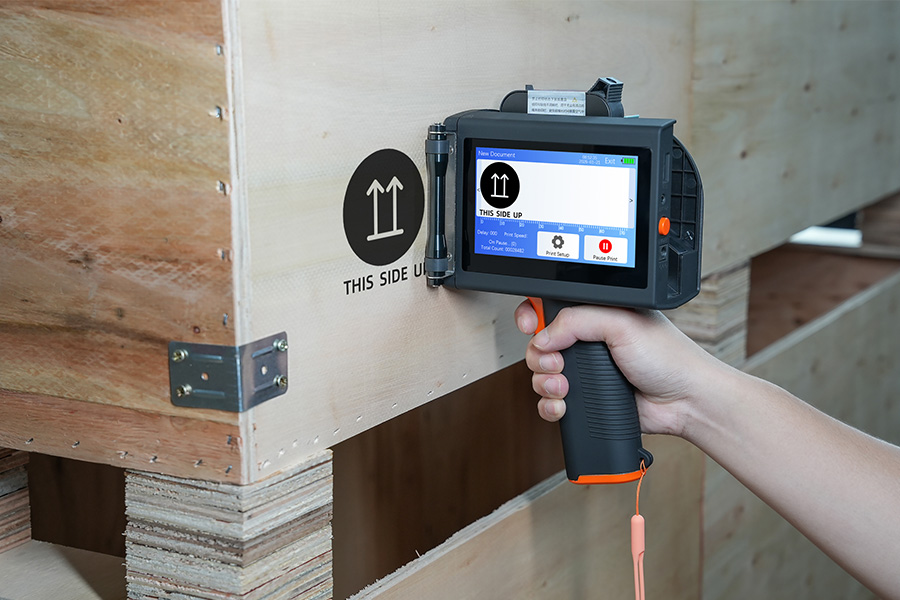
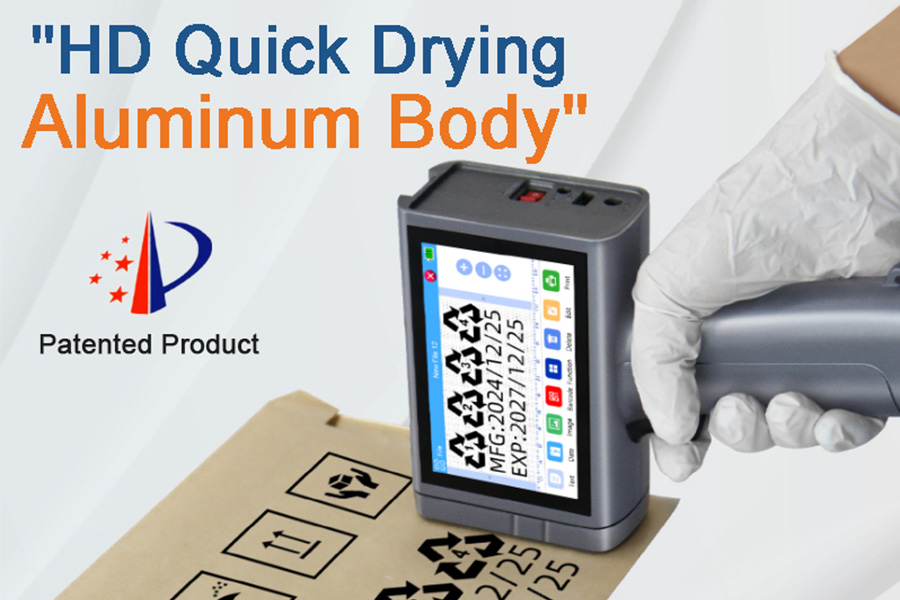
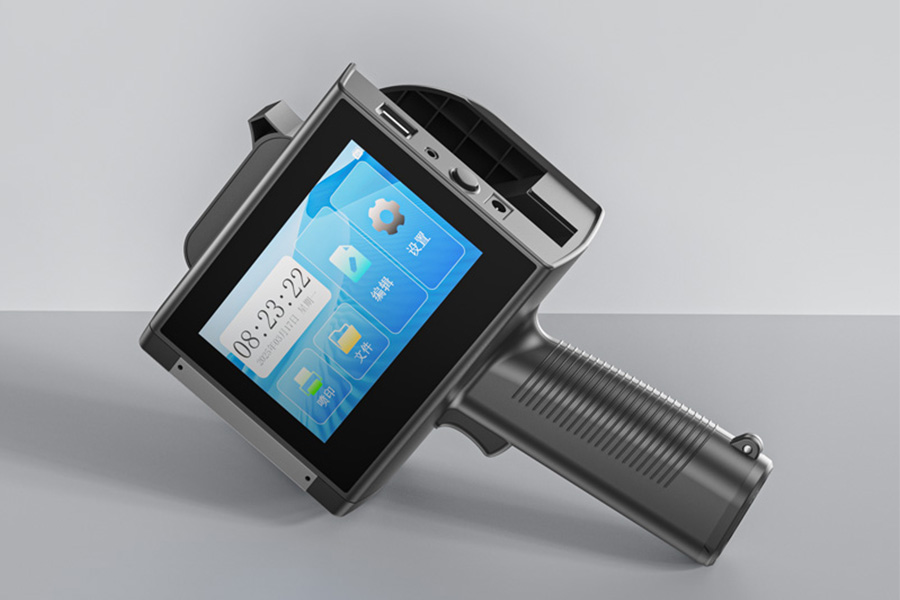
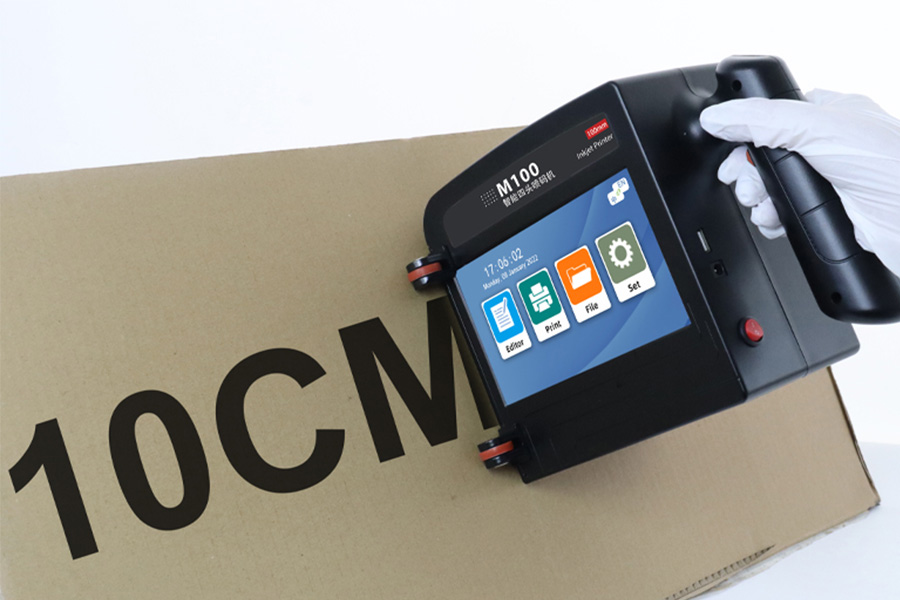
An inkjet marking gun is a handheld printing tool that applies real-time data—such as barcodes, batch numbers, QR codes, time stamps, serial numbers, and regulatory information—directly onto products or packaging. Built on Thermal Inkjet (TIJ) technology, these printers offer:
(1)High-resolution coding (typically 300–600 DPI)
(2)Fast drying solvent-based and water-based inks
(3)Compatibility with porous and non-porous surfaces
(4)Instant variable data printing
(5)Portability for field and on-site marking tasks
Its mobility makes it extremely valuable for decentralized operations, small manufacturing plants, warehouses, food production facilities, and transportation hubs.
1. Improved Production-to-Delivery Visibility
Traceability depends on being able to identify where an item originated, where it was processed, and where it is going. Inkjet marking guns support this by enabling:
Accurate batch and lot coding at every stage
Operators can instantly print unique identifiers on parts, boxes, pallets, and containers—even when items are moving across multiple facilities.
Better scanning accuracy with crisp codes
High-resolution 2D barcodes and QR codes reduce scan failures that can interrupt automated sorting and quality checks.
Easy documentation for audits and compliance
Because inkjet marking guns print consistent, legible, and standardized marks, businesses face fewer regulatory issues in industries like food, pharmaceuticals, and electronics.
2. Increased Agility for Decentralized and Mobile Workflows
Modern supply chains are no longer confined to fixed-location printing systems. With the rise of micro-warehouses, third-party logistics, and flexible fulfillment centers, mobility is essential.
Inkjet marking guns provide:
(1)On-site coding anywhere—loading docks, production lines, inspection points, even outdoors
(2)Instant content changes without reconfiguring machinery
(3)Rapid deployment for seasonal spikes or temporary facilities
This flexibility improves real-time traceability, especially for fast-moving inventories and fragmented logistics networks.

3. Enhanced Recall Readiness and Quality Control
When product recalls occur, companies that lack traceability suffer the highest losses. Inkjet marking guns strengthen recall systems through:
Precision marking that prevents mislabeling
Clear codes reduce human error and eliminate the risk of mislabeled products entering the supply chain.
Faster root-cause analysis
Accurate batch and date codes enable teams to trace defective units immediately—minimizing financial impact.
Consistent marking on diverse materials
Whether marking metal, plastic, rubber, cardboard, wood, or shrink-wrap, modern solvent-based inks ensure durability and traceability during transport.
4. Cost-Effective Traceability for Small and Mid-Sized Businesses
Full-scale industrial CIJ or labeling systems are expensive and often unnecessary for smaller operations. Inkjet marking guns offer:
(1)Low upfront investment
(2)Minimal maintenance
(3)No complex installation
(4)Quick operator training
(5)Reduced coding errors
This makes traceability affordable—even for startups and regional manufacturers.
5. Integration With Digital Tracking and Supply Chain Systems
In 2025, traceability is increasingly digital. Inkjet marking guns can integrate with:
(1)ERP systems
(2)Warehouse management software (WMS)
(3)Inventory tracking apps
(4)Cloud-based serial databases
By printing scannable, standardized data codes, inkjet marking guns serve as a bridge between physical products and digital records—strengthening end-to-end visibility.
6. Industry Sectors Benefiting the Most
Inkjet marking guns are now widely used in:
Food & Beverage
Shelf-life, batch codes, safety marks, allergen alerts.
Pharmaceuticals
Anti-counterfeiting codes, serialization, compliance data.
Logistics & Warehousing
Pallet tracking, shipping labels, scanning optimization.
Manufacturing
Component identification, quality inspection marks, process tracking.
E-Commerce Fulfillment
SKU coding, carton marking, reverse-logistics tagging.
Each sector experiences measurable improvements in error reduction, processing speed, and data accuracy.
A Traceability Upgrade That Supply Chains Can’t Ignore
In an era where product authentication, recall preparedness, and inventory transparency are non-negotiable, the inkjet marking gun has emerged as a highly efficient solution. Its portability, low cost, and high accuracy make it one of the most valuable traceability tools for modern supply chains.
Companies aiming to strengthen compliance and operational efficiency in 2025 should consider integrating inkjet marking guns into their coding workflows.
If you're exploring portable marking solutions that offer reliability, precision, and affordability, now is the perfect time to evaluate modern inkjet marking guns.
Contact our team today to get expert recommendations or request a product demo.
+MoreRelated recommendations
-
Handheld Inkjet Printer Warranty Questions Buyers Should Ask Before Ordering
Ask these handheld inkjet printer warranty questions to clar...
-
Handheld Inkjet Printer Order Checklist: Printer, Ink, Accessories, and Spare Parts
Use this purchase checklist to confirm the printer, ink, acc...
-
What Information Should You Send for an Accurate Handheld Inkjet Printer Quote?
Use this RFQ worksheet to send the material, message, print ...
-
How to Print Scannable Barcodes and QR Codes on Plastic Packaging
Learn how to print scannable barcodes and QR codes on plasti...
Contact Us

Service phone number+8618759952301
—— Add WeChat communication


