
Quick Drying Ink for Plastic, Film, and Foil
2026-02-06(188)Views
Printing on plastic, film, and foil is one of the most demanding challenges in industrial coding. These materials dominate modern packaging lines, yet they are also the most likely to cause smearing, adhesion failure, and unreadable codes.
This is why quick drying ink for plastic, film, and foil has become a high-intent search term. But not all quick drying inks perform the same—and choosing the wrong one can create more problems than it solves.
Why Plastic, Film, and Foil Are So Difficult to Print On
Unlike porous materials such as cardboard or wood, plastic-based substrates are:
1.Non-porous
2.Chemically resistant
3.Low surface energy
As a result, ink cannot absorb into the surface. Instead, it must bond, anchor, or cure on top of the material—which dramatically increases the risk of smearing and poor adhesion.
This is why standard inks often fail and quick drying ink becomes essential for these applications.
Understanding Substrate Differences: Plastic vs Film vs Foil
Although often grouped together, these materials behave very differently during printing.
Plastic (PE, PP, PET)
1.Extremely low surface energy
2.Ink tends to bead or spread
3.Requires fast solvent evaporation and strong adhesion properties
Flexible Film (laminated or coated)
1.Surface coatings vary widely
2.Inconsistent wetting across batches
3.Sensitive to over-inking and print density
Aluminum Foil
1.Non-absorbent and highly smooth
2.Ink adhesion relies entirely on chemistry
3.Smearing often occurs during downstream handling
A single “universal” ink rarely performs equally well across all three.
What Makes Quick Drying Ink Effective on These Materials
A high-performing quick drying ink for plastic, film, and foil typically combines:
1.Fast solvent evaporation
2.Controlled viscosity for clean dot formation
3.Strong surface anchoring capability
4.Resistance to smearing during contact
However, faster drying does not always mean better results. If the ink dries too fast, it may clog printheads or lose edge definition.
The balance between drying speed and print stability is critical.
Common Printing Problems on Plastic-Based Substrates
Even with quick drying ink, manufacturers often experience:
1.Smudging during conveyor transfer
2.Codes wiping off under light contact
3.Ink cracking on flexible films
4.Poor barcode readability on foil
These issues are frequently blamed on ink quality, but in most cases, the root cause lies in application conditions rather than ink alone.
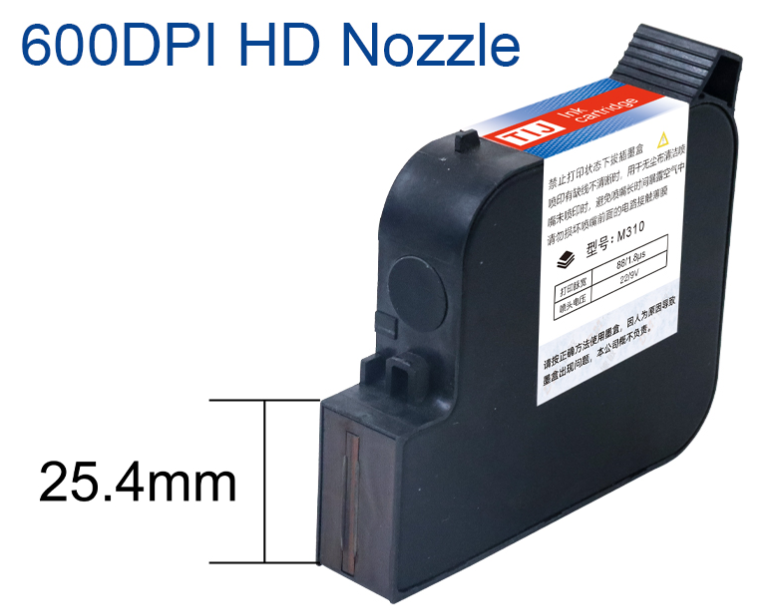
How Line Speed Affects Quick Drying Ink Performance
High-speed production lines magnify every weakness in the system.
At higher speeds:
1.Ink has less time to set
2.Products contact guides and belts sooner
3.Any excess ink becomes a smearing risk
Quick drying ink must be selected based on actual line speed, not just material type. An ink that works at low speed may fail completely on fast-moving packaging lines.
Environmental Factors That Impact Ink Drying
Plastic and film printing is especially sensitive to environmental changes.
Key factors include:
1.Humidity slowing solvent evaporation
2.Low temperatures increasing ink viscosity
3.Poor airflow around the print zone
Seasonal changes often explain why the same quick drying ink performs inconsistently throughout the year.
Printer Setup: The Hidden Variable
Even the best quick drying ink will fail if the printer is not configured correctly.
Common setup mistakes:
1.Excessive throw distance
2.Printhead too far from the substrate
3.Overly aggressive print density settings
On plastic and foil, less ink often produces better results, allowing faster setting and stronger adhesion.
When Quick Drying Ink Is Not Enough
In some applications, ink alone cannot overcome substrate challenges.
Manufacturers may need to consider:
1.Surface treatment or material changes
2.Improved airflow or curing time
3.Workflow adjustments to reduce contact
Understanding these limits prevents unrealistic expectations and wasted testing cycles.
Choosing the Right Quick Drying Ink Strategy
Instead of asking:
“What is the fastest drying ink?”
A better question is:
“What ink-system combination works best for my material, speed, and environment?”
This shift in thinking leads to more stable, repeatable coding performance.
Work with Our Company to Optimize Plastic, Film, and Foil Coding
Selecting quick drying ink for plastic, film, and foil is not a catalog decision—it’s an application decision.
Our company works directly with manufacturers to evaluate substrates, line speed, and environmental conditions, helping them choose the right ink and printing setup for long-term reliability.
Contact us today to reduce smearing, improve adhesion, and achieve consistent, high-quality codes on even the most challenging materials.
+MoreRelated recommendations
-
Handheld Inkjet Printer Warranty Questions Buyers Should Ask Before Ordering
Ask these handheld inkjet printer warranty questions to clar...
-
Handheld Inkjet Printer Order Checklist: Printer, Ink, Accessories, and Spare Parts
Use this purchase checklist to confirm the printer, ink, acc...
-
What Information Should You Send for an Accurate Handheld Inkjet Printer Quote?
Use this RFQ worksheet to send the material, message, print ...
-
How to Print Scannable Barcodes and QR Codes on Plastic Packaging
Learn how to print scannable barcodes and QR codes on plasti...
Contact Us

Service phone number+8618759952301
—— Add WeChat communication


