
When a Handheld Inkjet Printer Makes More Sense Than an Automated Line
2026-02-10(193)Views
Automation is often seen as the ultimate goal in modern manufacturing. High-speed coding systems, integrated conveyors, and fully automated printing lines dominate many production environments. However, automation is not always the most efficient or cost-effective choice.
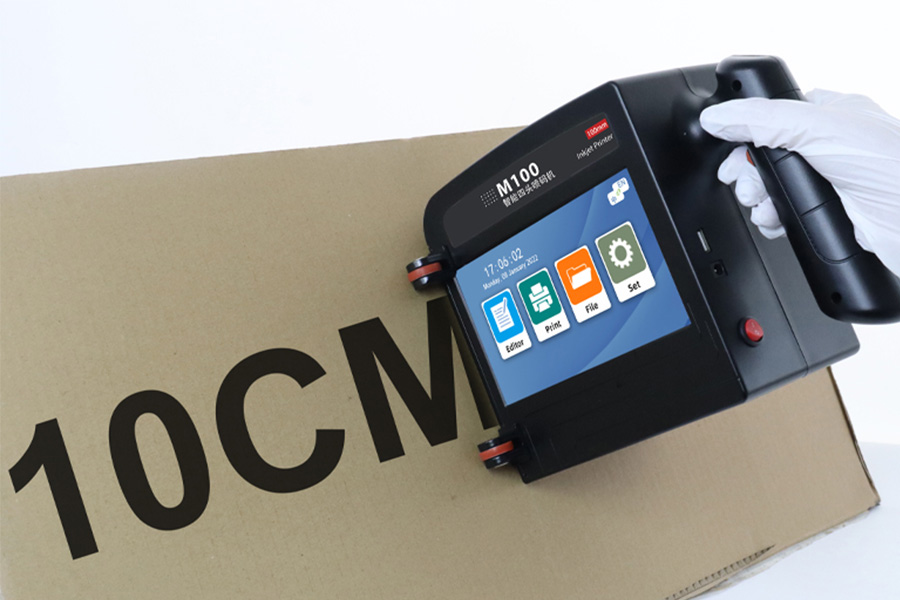
In many real-world scenarios, a handheld inkjet printer can outperform an automated line in terms of flexibility, speed of deployment, and operational efficiency. Understanding when manual printing makes more sense is critical for manufacturers, warehouses, and contract packers aiming to optimize productivity without unnecessary investment.
Automation Isn’t Always the Best Answer
Automated printing lines are powerful—but they are also complex. They require:
1.Stable product flow
2.Consistent packaging formats
3.Fixed print positions
4.Ongoing maintenance and calibration
When these conditions are not met, automation can quickly become a bottleneck rather than an advantage.
This is where handheld inkjet printers provide a compelling alternative.
Low-Volume or Variable Production Runs
Automated lines are designed for scale. When production volumes fluctuate or batch sizes are small, setup time often outweighs the benefits.
Handheld inkjet printers excel in:
1.Short production runs
2.Frequent SKU changes
3.Seasonal or promotional packaging
Operators can switch content instantly without stopping an entire line or reprogramming a system.
Frequent Content Changes and Variable Data
Date codes, batch numbers, lot codes, and serialized information often change multiple times per shift.
With automated lines:
1.Every change introduces downtime
2.Verification steps slow production
3.Errors are harder to catch early
Handheld inkjet printers allow operators to:
1.Update print content in seconds
2.Visually verify output immediately
3.Reduce data-related coding errors
This makes them ideal for variable printing environments.
Space Constraints and Temporary Workstations
Not all facilities are designed for fixed automation.
Common challenges include:
1.Limited floor space
2.Temporary packaging areas
3.Mobile or pop-up operations
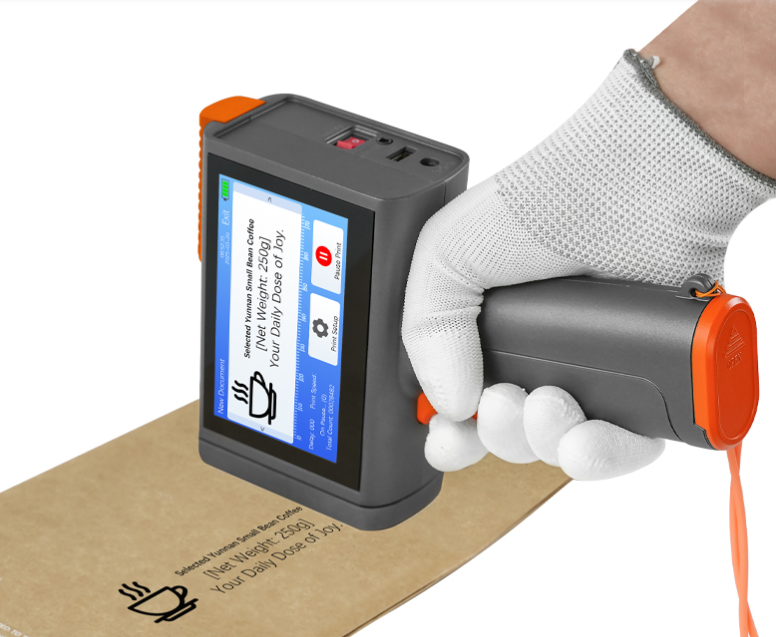
A handheld inkjet printer requires no conveyors, mounting brackets, or structural modifications. It can be deployed wherever printing is needed—on pallets, cartons, pipes, or finished goods.
Rework, Overprinting, and Exception Handling
Automated lines are optimized for normal flow, not exceptions.
Handheld printers are particularly effective for:
1.Re-labeling rejected items
2.Correcting missing or incorrect codes
3.Printing on irregular or oversized products
Instead of rerouting products back through a line, operators can correct issues immediately, reducing waste and delays.
Lower Initial Investment and Faster ROI
Automated coding systems involve significant upfront costs, including:
1.Hardware integration
2.Software licensing
3.Installation and training
For many operations, especially small and mid-sized businesses, these costs are difficult to justify.
Handheld inkjet printers offer:
1.Lower capital investment
2.Minimal training requirements
3.Immediate productivity gains
This makes them attractive for cost-conscious operations focused on fast ROI.
Reduced Dependency on Technical Support
Automated lines often require specialized technicians for setup, troubleshooting, and maintenance.
Handheld systems:
1.Are easier to operate and maintain
2.Reduce reliance on external service calls
3.Empower operators to solve issues on-site
This operational independence is especially valuable in remote locations or facilities with limited technical staff.
Flexibility Across Multiple Applications
One automated line usually serves one purpose.
A handheld inkjet printer can be used across:
1.Packaging
2.Warehousing
3.Construction sites
4.Manufacturing floors
This multi-use capability improves equipment utilization and overall operational efficiency.
When Automation Still Wins
Handheld inkjet printers are not a replacement for automation in every case.
Automated lines remain ideal for:
1.High-volume, high-speed production
2.Standardized packaging formats
3.Fully integrated traceability systems
The key is not choosing one over the other—but understanding where each tool fits best.
A Smarter Approach: Matching the Tool to the Task
The most efficient operations evaluate printing needs based on:
1.Production variability
2.Content change frequency
3.Labor availability
4.Budget constraints
In many cases, a handheld inkjet printer complements automation rather than competes with it.
Talk to Our Company About the Right Printing Strategy
Choosing between a handheld inkjet printer and an automated line is a strategic decision—not just a technical one.
Our company works with manufacturers, packers, and logistics teams to evaluate real production conditions and recommend the most efficient coding solution—whether that’s handheld, automated, or a hybrid approach.
Contact our team today to find out when a handheld inkjet printer makes more sense for your operation.
+MoreRelated recommendations
-
Handheld Inkjet Printer Warranty Questions Buyers Should Ask Before Ordering
Ask these handheld inkjet printer warranty questions to clar...
-
Handheld Inkjet Printer Order Checklist: Printer, Ink, Accessories, and Spare Parts
Use this purchase checklist to confirm the printer, ink, acc...
-
What Information Should You Send for an Accurate Handheld Inkjet Printer Quote?
Use this RFQ worksheet to send the material, message, print ...
-
How to Print Scannable Barcodes and QR Codes on Plastic Packaging
Learn how to print scannable barcodes and QR codes on plasti...
Contact Us

Service phone number+8618759952301
—— Add WeChat communication


