
Why Fast-Drying Ink Is Essential for High-Speed Industrial Inkjet Production Lines
2026-05-21(104)Views
In modern industrial manufacturing, production speed has increased dramatically across packaging, logistics, electronics, and labeling industries. As line speeds continue to rise beyond 50–300 meters per minute, traditional ink systems are no longer sufficient.
One of the most critical enabling technologies behind stable high-speed production is fast-drying industrial inkjet ink.
Without fast-drying ink, production lines face serious operational bottlenecks including smudging, unreadable barcodes, machine downtime, and product waste.
This article explains why fast-drying ink is essential for high-speed inkjet systems and how it directly impacts efficiency, cost, and print quality.
Manufacturers evaluating industrial coding performance can also explore our Quick Drying Ink Guide for a broader understanding of formulation principles, drying mechanisms, and substrate compatibility.
The Reality of High-Speed Industrial Production Lines
Modern production environments are not static—they are continuous, automated, and extremely fast.
Typical high-speed line characteristics:
1. Conveyor speed: 50–300 m/min
2. Continuous 24/7 operation
3. Mixed-material substrates (plastic, film, paper, foil)
4. Zero tolerance for print defects
5. Real-time traceability requirements (QR codes, barcodes)
At these speeds, ink behavior must be almost instantaneous.
Even a delay of a few seconds in drying can disrupt the entire downstream process.
Why Drying Speed Becomes a Production Bottleneck
In traditional ink systems, drying time is often longer than production cycle time.
This creates a mismatch:
Production speed > Ink drying capability
When this happens, several issues occur:
1. Printed surfaces remain wet during stacking
2. Ink transfers between products
3. Barcode scanning failures increase
4. Conveyor contamination requires cleaning stops
5. Overall OEE (Overall Equipment Effectiveness) drops
Fast-drying ink solves this fundamental imbalance.
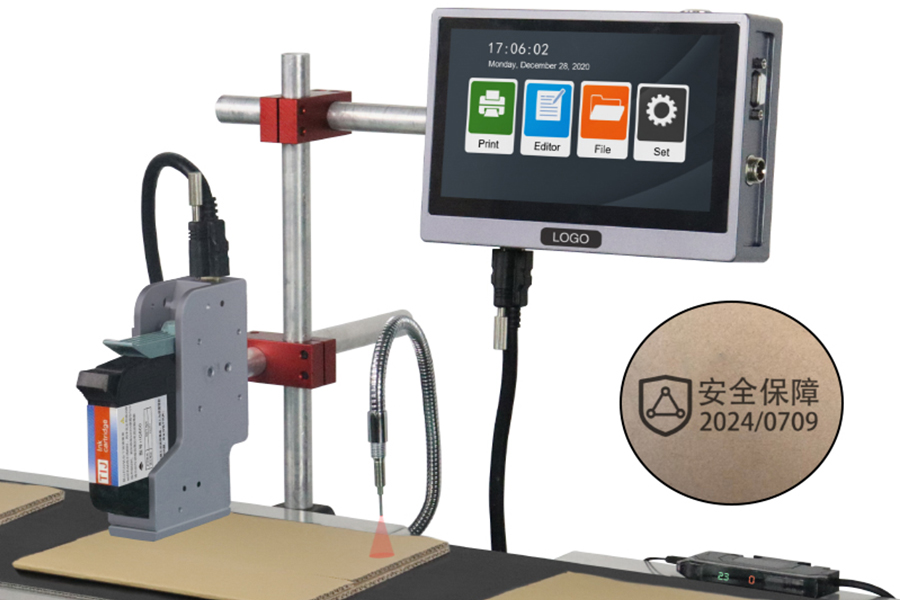
How Fast-Drying Ink Enables Continuous High-Speed Printing
Fast-drying ink is engineered to stabilize immediately after deposition.
It achieves this through:
1. Rapid Solvent Evaporation
Highly volatile solvent systems allow ink to begin drying immediately after impact on the substrate.
2. Fast Film Formation
Resin systems form a protective layer within milliseconds, locking pigment in place.
3. Viscosity Stabilization
Ink viscosity increases rapidly after printing, preventing migration or spreading.
Result:
Printed marks become stable before mechanical contact occurs.
Industrial Comparison: Fast-Drying vs Conventional Ink
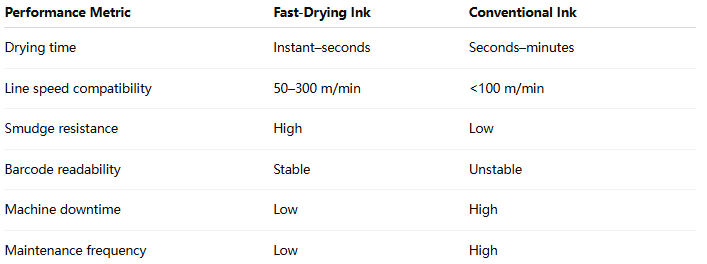
In high-speed production, conventional ink systems quickly become a limiting factor.
Why Fast Drying Is Critical for Different Industries
1. Packaging Industry
Packaging lines require immediate handling after printing.
If ink is not dry:
1)Cartons smear during stacking
2)Plastic films stick together
3)Product traceability is compromised
Related:
Industrial Ink for Plastic and Film Packaging
2. Logistics and Barcode Systems
Fast-drying ink ensures:
1)Instant QR code readability
2)Real-time scanning accuracy
3)Zero downtime in sorting systems
Related:
Ink Performance in High-Speed Production
3. Pharmaceutical Packaging
Regulatory requirements demand:
1)Non-transferable ink
2)High durability
3)Stable coding under sterilization conditions
What Happens When Ink Is NOT Fast-Drying Enough?
When ink drying speed is insufficient:
Operational problems:
1. Production line must slow down
2. Frequent cleaning cycles required
3. Increased defect rates
Financial impact:
1. Higher scrap rate
2. Increased labor cost
3. Lower throughput efficiency
Quality issues:
1. Smudged expiration dates
2. Unreadable batch codes
3. Compliance risks
Key Technical Factors Behind Fast Drying Ink
1. Solvent System Design
Fast-drying inks rely on carefully balanced solvent volatility:
1)Too fast → nozzle clogging
2)Too slow → smudging
2. Resin Chemistry
Resins determine:
1)Film hardness
2)Adhesion strength
3)Drying stability
High Tg resins improve drying speed and durability.
3. Ink Layer Control
Thinner ink layers dry significantly faster and reduce smudging risk.
Related:
How Ink Formulation Impacts Print Quality
Machine + Ink Integration
Fast-drying ink alone is not enough.
It must work in synergy with:
1)Printhead temperature control
2)Airflow systems
3)Conveyor speed synchronization
4)Substrate pretreatment (corona/plasma)
Even premium ink will fail if system parameters are mismatched.
Real Industrial Case Logic
Case: High-speed beverage packaging line
Problem:
1)Smudging at 180 m/min
2)Barcode unreadable after stacking
Solution:
1)Switch to fast-drying solvent ink
2)Add controlled airflow drying system
Result:
1)92% reduction in print defects
2)35% increase in line efficiency
Fast-Drying Ink vs UV Ink
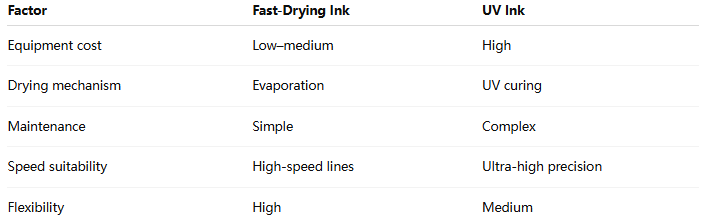
Fast-drying solvent ink remains the most widely used solution in industrial production due to cost-performance balance.
How to Choose the Right Fast-Drying Ink
Decision framework:
1. Substrate type (plastic, paper, film, metal)
2. Line speed (m/min)
3. Required durability (scratch, chemical resistance)
4. Environmental conditions (humidity, temperature)
5. Printer compatibility
Related:
How to Choose Quick Drying Ink Cartridges
Common Misunderstandings in Industry
Misunderstanding 1:
“Faster ink is always better”
Reality:
Too fast evaporation may cause nozzle clogging.
Misunderstanding 2:
“Machine speed determines ink performance”
Reality:
Ink chemistry is the limiting factor in most cases.
Misunderstanding 3:
“Any ink works if airflow is strong”
Reality:
Airflow only supports drying—it cannot compensate for poor formulation.
FAQ
Q1: Can fast-drying ink completely solve high-speed printing issues?
It solves most drying-related issues but must be paired with correct system setup.
Q2: Why does ink behave differently at higher speeds?
Because contact time between ink and substrate becomes extremely short.
Q3: Is fast-drying ink safe for all materials?
No, formulation must match substrate compatibility.
Q4: Does fast drying affect print durability?
Not necessarily—proper resin design ensures durability is maintained.
If your production line is facing:
1. Speed limitations
2. Smudging at high throughput
3. Barcode readability issues
4. Ink drying instability
We can support you with:
1. Industrial ink matching analysis
2. Fast-drying ink sample testing
3. High-speed production optimization consulting
Contact us to optimize your inkjet production line and improve overall efficiency.
Ready to Improve Your Printing Efficiency?
Get expert advice and the best solution tailored to your business.
Contact us for a quote✔ Fast response ✔ Custom solution ✔ No obligation
+MoreRelated recommendations
-
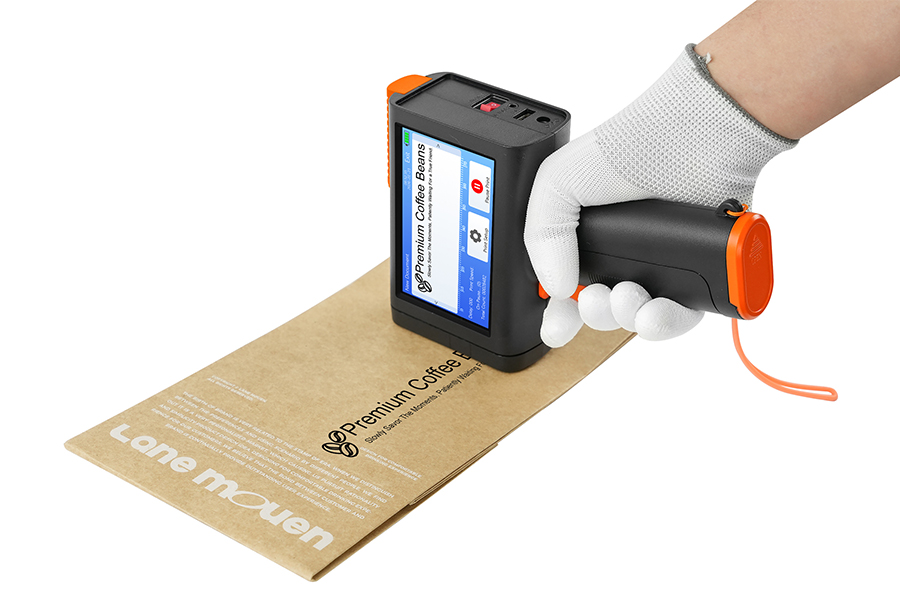
Why More Manufacturers Are Switching to Handheld Inkjet Printers
In the past, industrial coding was dominated by fixed-positi...
-
Handheld Inkjet Printer Cost: Initial Investment and Operating Expenses
When businesses evaluate handheld inkjet printers, the first...
-
Handheld Inkjet Printer Maintenance Guide for Long-Term Reliability
In industrial environments, equipment reliability is not det...
-
How to Choose the Right Handheld Inkjet Printer for Your Business
Learn how to choose the right handheld inkjet printer for yo...
Contact Us

Service phone number+8618759952301
—— Add WeChat communication


