
Signs It's Time to Replace Labels with Direct Inkjet Coding
2026-07-10(88)Views
Labels have been an important identification method in manufacturing for decades.
They are simple, familiar, and effective for many applications.
A manufacturer can print a label, apply it to a product, and immediately provide important information such as:
1. Product names
2. Barcodes
3. Batch numbers
4. Production dates
5. Shipping information
For many companies, labels continue to be the right choice.
However, manufacturing environments are becoming more complex.
Factories today often face:
1. More product variations
2. Faster order changes
3. Higher traceability requirements
4. Increased labor costs
5. More customized production
As these challenges increase, some manufacturers begin asking:
“Are labels still the most efficient way to identify our products?”
This question does not mean labels are outdated.
The real question is whether the current labeling process is creating unnecessary cost, complexity, or production limitations.
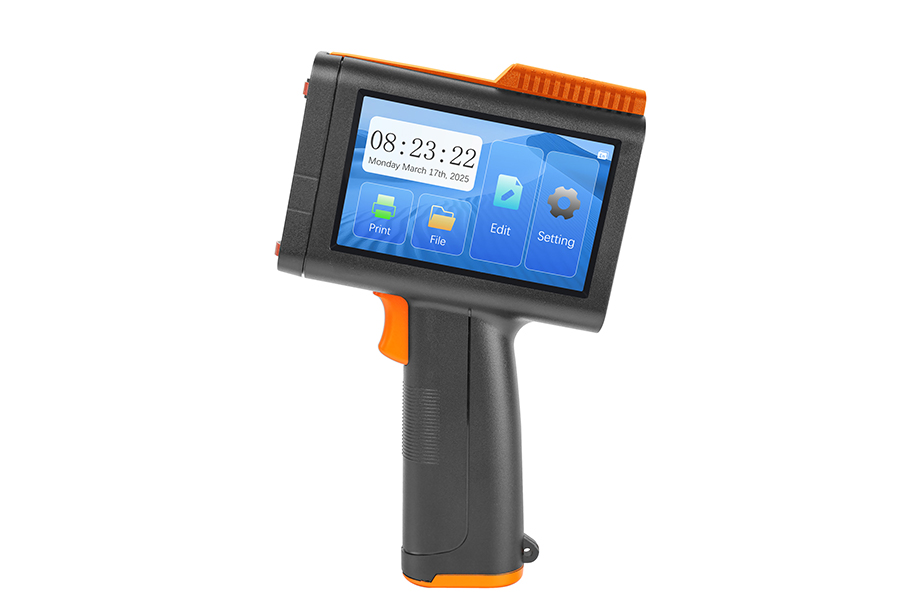
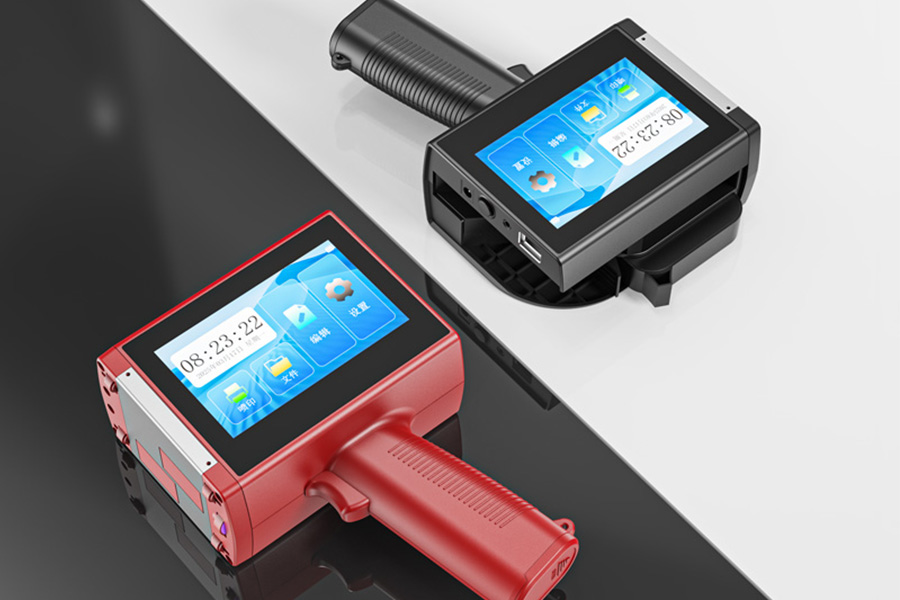
Direct inkjet coding provides an alternative approach by printing information directly onto products or packaging surfaces.
For companies evaluating whether a direct printing solution fits their operation, this industrial handheld inkjet printer buying guide provides a complete overview of selection considerations, applications, and purchasing decisions.
This article explains the major signs that indicate when replacing labels with direct inkjet coding may improve manufacturing efficiency.
Labels Are Not the Problem — The Production Process May Have Changed
A common misunderstanding is that direct inkjet coding exists to completely replace labels.
That is not always true.
Labels remain valuable when manufacturers need:
1. Full-color designs
2. Product branding
3. Decorative packaging
4. Large amounts of fixed information
The challenge appears when the production environment changes.
A labeling system designed for a simple production process may become inefficient when a factory experiences:
1. More products
2. More customers
3. More frequent changes
Example: A Factory Growth Scenario
A manufacturer starts with:
1. 5 products
2. Fixed packaging
3. Stable customer orders
Labels work perfectly.
Several years later:
1. Product range grows to 50 items
2. Customers request customization
3. Batch information changes daily
The problem is not the label itself.
The problem is that the production process has become more dynamic.
Sign 1: Your Factory Manages Too Many Label Versions
One of the earliest signs that labels are becoming inefficient is excessive label variety.
Many manufacturers now manage:
1. Different products
2. Different customers
3. Different markets
4. Different regulatory requirements
Each variation may require a different label.
The Hidden Complexity of Label Management
A factory may need to manage:
1. Label design files
2. Label inventory
3. Storage locations
4. Version control
5. Employee training
As the number of labels increases, management becomes more difficult.
Example
A manufacturer produces:
20 products.
Each product has:
1. 3 customer versions
2. 2 packaging formats
This creates:
20 × 3 × 2 = 120 possible label variations.
Even if each label is inexpensive, the management complexity increases significantly.
How Direct Inkjet Coding Helps
Direct printing allows manufacturers to generate information when needed.
Instead of storing every possible label version, operators can update printing information based on current production requirements.
Sign 2: Product Information Changes Frequently
Another major indicator is frequent information changes.
Modern manufacturing often requires flexible identification.
Examples:
1. Different batch numbers
2. Different production dates
3. Different customer codes
4. Different order information
Why Frequent Changes Create Problems
With traditional labels, every change may require:
1. New label preparation
2. Additional approval
3. Inventory management
4. Risk of outdated stock
Direct Printing Advantage
A digital printing system allows information changes directly through the printer interface.
This is especially useful for manufacturers with:
1. Short production cycles
2. Custom orders
3. Variable production schedules
Companies evaluating whether their production environment benefits from direct coding can also review:
Which Manufacturing Processes Benefit Most from Handheld Inkjet Printing?
for more application examples.
Sign 3: Label Application Is Increasing Labor Requirements
Many factories underestimate the labor involved in labeling.
The process may include:
1. Preparing labels
2. Transporting labels
3. Matching labels with products
4. Applying labels
5. Checking accuracy
Each step requires time.
Labor Problems Caused by Manual Labeling
Common issues include:
1. Slow application speed
2. Operator dependency
3. Incorrect placement
4. Rework
As production volume increases, these small inefficiencies become more noticeable.
Direct Inkjet Coding Changes the Workflow
Instead of managing a separate label application process, operators can print required information directly during production.
This can simplify certain identification tasks.
Sign 4: Labels Are Causing Inventory and Waste Problems
Label inventory is often overlooked.
However, manufacturers may spend resources managing:
1. Different label types
2. Minimum order quantities
3. Remaining stock
4. Obsolete labels
The Problem of Outdated Labels
When products change, old labels may become unusable.
This creates:
1. Material waste
2. Additional purchasing cost
3. Storage issues
Direct Coding Reduces Label Dependency
Direct inkjet printing allows manufacturers to create information digitally instead of physically storing every possible label variation.
This is especially valuable in industries with frequent product changes.
Sign 5: Your Products Are Difficult to Label
Not every product surface is ideal for labels.
Problems may occur with:
1. Rough surfaces
2. Curved products
3. Industrial components
4. Products exposed to harsh conditions
Common Label Performance Issues
Manufacturers may experience:
1. Poor adhesion
2. Label peeling
3. Damage during handling
4. Reduced readability
Direct Printing as an Alternative
Direct inkjet coding can provide a different identification approach by printing directly onto the product surface.
However, material compatibility remains important.
Different surfaces require different ink solutions and testing.
Sign 6: Customers Require Better Traceability
Supply chains are becoming more transparent.
Customers increasingly require manufacturers to provide:
1. Batch information
2. Product identification
3. Production records
Labels can support traceability.
However, for some applications, direct coding provides a more integrated identification method.
Why Direct Coding Supports Traceability
Information can be printed directly during production.
This helps reduce:
1. Manual processes
2. Identification mistakes
3. Information delays
Sign 7: Your Factory Needs More Production Flexibility
Perhaps the strongest signal is when your production model has changed.
Factories increasingly need to handle:
1. Smaller batches
2. More variations
3. Faster changes
A marking method must support this flexibility.
Flexible Manufacturing Requires Flexible Identification
A factory cannot operate efficiently if production can change quickly but marking requires long preparation.
The identification process should match the speed of manufacturing.
Label vs Direct Inkjet Coding: Decision Comparison
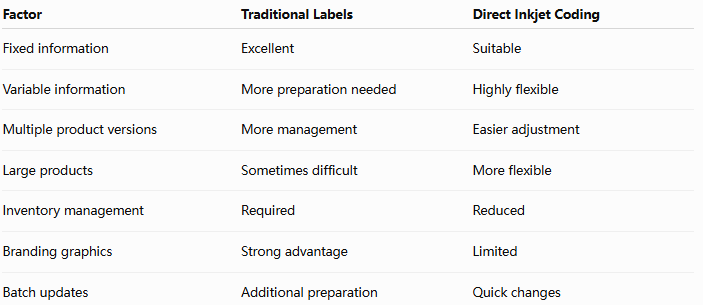
How to Determine Whether Replacing Labels Makes Business Sense
Replacing labels with direct inkjet coding should not be a decision based only on technology preference.
The correct question is:
Will direct printing improve my production process enough to justify changing the current method?
Every factory has different conditions.
A company producing thousands of identical products may continue using labels successfully.
Another company producing hundreds of customized products may quickly benefit from direct coding.
The decision depends on:
1. Production complexity
2. Information changes
3. Labor involvement
4. Material handling
5. Future growth
A Practical Evaluation Framework: Should You Replace Labels?
Manufacturers can evaluate the following areas before making a decision.
1. Evaluate How Often Your Product Information Changes
The more frequently information changes, the more valuable flexible printing becomes.
Consider:
1) How often do batch numbers change?
2) How often do customers request different information?
3) How many label versions are currently managed?
Low Change Environment
Example:
1) One product
2) Fixed packaging
3) Same information every day
Labels may remain efficient.
High Change Environment
Example:
1) Multiple customers
2) Different production batches
3) Frequent product updates
Direct inkjet coding may provide greater flexibility.
2. Evaluate the Labor Behind Your Current Label Process
Many manufacturers only calculate label material costs.
However, the complete process may involve:
1) Label preparation
2) Storage management
3) Label transportation
4) Manual application
5) Inspection
6) Correction of mistakes
These activities consume production time.
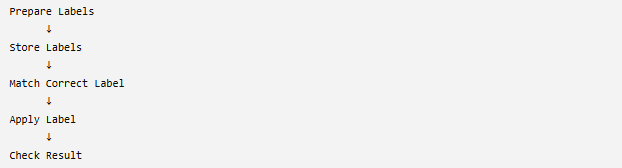
Example Workflow Comparison
Label-Based Process
Direct Inkjet Coding Process
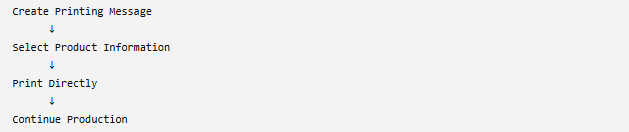
The difference becomes more significant as production complexity increases.
3. Evaluate Product Handling Difficulty
Some factories spend unnecessary effort moving products only because of the marking process.
Ask:
1) Do products need to be transported to a labeling station?
2) Are products too large for fixed equipment?
3) Does identification happen after assembly?
Example
A manufacturer produces large industrial components.
The product may already be:
1) Assembled
2) Inspected
3) Packaged
Moving it back to a marking station creates unnecessary handling.
A portable printing solution allows identification at the actual working location.
4. Evaluate Label Waste and Inventory Pressure
Label inventory creates hidden operational requirements.
Manufacturers may need to manage:
1) Multiple label types
2) Different sizes
3) Different versions
4) Remaining stock
Situations Where Waste Increases
Label waste often increases when:
1) Products change frequently
2) Orders are customized
3) Packaging designs are updated
4) Old inventory becomes unusable
Direct inkjet coding reduces dependence on physical label inventory by allowing information to be created digitally when needed.
For manufacturers interested in understanding the complete long-term cost impact of different marking methods, a detailed analysis is covered in:
Understanding Total Cost of Ownership for Handheld Inkjet Printers
When You Should Consider a Hybrid Approach
Replacing labels does not always mean removing them completely.
Many manufacturers use a combination approach.
For example:
Labels for:
1. Branding
2. Marketing information
3. Customer-facing graphics
Direct inkjet coding for:
1. Batch numbers
2. Dates
3. Internal tracking
4. Production information
Why Hybrid Solutions Are Common
Different identification requirements serve different purposes.
A product may need both:
1. Visual presentation
2. Manufacturing traceability
A combined approach can provide better overall results.
When You Should NOT Replace Labels With Direct Inkjet Coding
A professional evaluation should also consider situations where labels remain the better option.
Situation 1: Your Product Requires High-Quality Graphics
Labels are often better when products need:
1. Full-color designs
2. Detailed images
3. Brand presentation
Direct coding focuses mainly on identification information.
Situation 2: Your Product Information Rarely Changes
If your factory has:
1. Stable products
2. Fixed information
3. Predictable production
the complexity of switching systems may not provide enough benefit.
Situation 3: Your Existing Label Process Is Already Highly Optimized
Some large manufacturers have:
1. Automated labeling equipment
2. Efficient workflows
3. Low error rates
In these cases, replacement may not create significant improvement.
Situation 4: Your Requirements Need Specialized Labels
Certain applications may require:
1. Specific certified labels
2. Special adhesive properties
3. Regulatory formats
Labels may continue to be necessary.
A Simple Decision Matrix
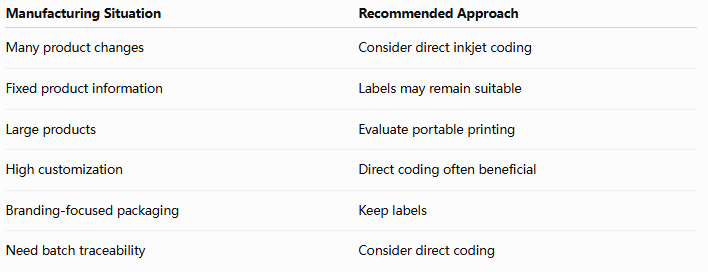
Real Manufacturing Scenario: When Labels Become a Limitation
A manufacturer produced customized industrial products for different customers.
Initially, labels worked well.
The company stored several standard label versions.
As business expanded:
1. More customers were added
2. Product variations increased
3. Orders became smaller and more frequent
The labeling process created new challenges:
1. More label inventory
2. More preparation time
3. Higher risk of using incorrect labels
The company evaluated direct inkjet coding as a way to simplify production identification.
The biggest improvement was not simply reducing labels.
It was creating a marking process that could adapt to changing production requirements.
Questions to Ask Before Changing Your Marking Method
Before replacing labels, manufacturers should answer:
Production Questions
1. How often does product information change?
2. How many products require identification?
3. Where does marking happen?
Operational Questions
1. How much labor is involved in labeling?
2. Are errors occurring?
3. Does labeling slow production?
Business Questions
1. Is product customization increasing?
2. Are customers requiring more traceability?
3. Will production complexity continue growing?
Frequently Asked Questions
1. Are labels becoming outdated in manufacturing?
No.
Labels remain an effective solution for many applications.
However, direct inkjet coding becomes attractive when manufacturers need more flexibility, faster information changes, or easier product identification.
2. Can handheld inkjet printers completely replace labels?
Not always.
The best solution depends on the purpose of identification.
Labels are still valuable for branding and detailed graphics, while direct printing is often better for variable manufacturing information.
3. Is direct inkjet coding cheaper than labels?
It depends on the application.
1) The answer depends on:
2) Label consumption
3) Labor involvement
4) Production changes
5) Inventory management
Manufacturers should evaluate the complete process rather than only comparing material prices.
4. Which industries benefit most from replacing labels?
Industries with:
1) Frequent product changes
2) Multiple SKUs
3) Batch tracking requirements
4) Customized production
often see stronger benefits.
5. How can I test whether direct coding fits my products?
The best approach is to test actual products with the intended printing requirements.
Manufacturers should evaluate:
1) Print readability
2) Surface compatibility
3) Production workflow
Replace Labels When Your Production Has Outgrown Them
The decision to move from labels to direct inkjet coding should be based on production reality.
Labels remain an effective identification method.
However, when a factory experiences:
1. Increasing product variations
2. Frequent information changes
3. Growing label management complexity
4. High manual involvement
5. Difficult product marking conditions
it may be time to consider a more flexible solution.
Direct inkjet coding provides manufacturers with a way to create product identification closer to the moment it is needed.
The goal is not replacing labels everywhere.
The goal is building a marking process that matches how your factory actually operates.
Need Help Evaluating Your Current Marking Process?
Every factory has different requirements.
Share your current labeling process, product materials, and printing needs with our team. We can help evaluate whether direct inkjet coding is suitable for your application.
Ready to Improve Your Printing Efficiency?
Get expert advice and the best solution tailored to your business.
Get Your Free Quote Within 24 Hours✔ Fast response ✔ Custom solution ✔ No obligation
+MoreRelated recommendations
-
How to Print Durable Codes on Plastic Caps, Lids, and Closures
Learn how to print durable lot and date codes on plastic cap...
-
How to Print Batch Codes on Flexible Plastic Bags and Pouches
Learn how to print durable batch codes on flexible plastic b...
-
How to Print Expiry Dates on Plastic Bottles Without Smudging
Learn how to print expiry dates on plastic bottles without s...
-
PE vs PP vs PET vs PVC: Ink Adhesion Test
Compare PE, PP, PET, and PVC with a controlled ink adhesion ...
Contact Us

Service phone number+8618759952301
—— Add WeChat communication


