
Handheld Inkjet Printer Warranty Questions Buyers Should Ask Before Ordering
2026-08-31(208)Views
A handheld inkjet printer warranty is not useful because it says the product is “covered.” It is useful when it tells the buyer what happens after a specific problem is reported: who reviews it, what evidence is required, what is excluded, which remedy may be offered, who pays for logistics, and how the decision is documented.
That distinction matters for overseas buyers. The printer, seller, technical team, replacement part, and user may be in different time zones. A short warranty statement can leave the most important operational questions unanswered even when both buyer and supplier are acting in good faith.
The right time to resolve those questions is before payment. This guide does not state a universal DEMIN warranty term or promise a response time, replacement, refund, free part, or shipping arrangement. Those details can vary by product, seller, order, destination, and cause of failure, so the final quotation or order confirmation should state the terms that apply to the actual purchase.
Public-information boundary DEMIN’s public website describes comprehensive after-sales service, but a general website statement is not a substitute for the exact warranty and support terms attached to a specific order. Ask for those terms in writing and keep them with the purchase record.
Start at the End: What Would Happen If the Printer Stopped Working?
A useful way to evaluate warranty language is to imagine a support incident after delivery and walk backward. If the process becomes unclear at any stage, the warranty needs another question before the order is approved.

This incident map is more useful than asking only, “How long is the warranty?” Duration matters, but duration alone does not explain coverage or serviceability.
Question 1: Which Exact Products and Components Are Covered?
Coverage should begin with identification. A handheld printing system can include the printer body, display or controller, battery, charger, cables, sensors or guides, cartridges, accessories, and separately purchased spare parts. Those items may not all carry the same coverage, and some may be consumables rather than warrantied equipment.
Ask the supplier to connect the warranty to the exact model and configuration on the order. If an accessory or part is separately priced, confirm whether it follows the printer warranty, has different terms, or is sold without the same coverage. Do not infer coverage from a product photo or from the fact that an item appears in the shipping box.
Model identity matters before warranty language can be interpreted. Use the DEMIN handheld inkjet printer model comparison to review the relevant model family, then require the final commercial document to identify the exact configuration being purchased. A general model page supports the decision; it does not define the contractual warranty for the order.
Create a Coverage Map, Not a Single Yes-or-No Line

Question 2: When Does Coverage Begin—and What Date Proves It?
A stated term is incomplete without a start point. It might be connected to shipment, invoice, delivery, acceptance, activation, or another written event. International transit time can make those dates materially different.
Ask which date starts coverage, which document proves that date, and whether any registration, inspection, or notice is required after delivery. Also confirm what happens if equipment is stored before installation or shipped through a distributor. The answer should be specific enough that both parties would calculate the same end date from the same record.
The Four Clocks Buyers Often Confuse
1. Coverage clock: the period during which an eligible issue may be covered.
2. Notification clock: any deadline for reporting damage, shortages, or a suspected defect after discovery or delivery.
3. Support clock: any stated target for acknowledgment, diagnosis, or escalation—only if the supplier agrees to one in writing.
4. Logistics clock: the time needed to obtain a return authorization, ship a part, clear customs, or complete another remedy.
Do not combine these clocks into one expectation. A warranty can remain active while diagnosis or international delivery still takes time. If timing is critical to production, the buyer may need a continuity plan in addition to warranty coverage.
Question 3: What Is Excluded, and How Is Cause Determined?
Exclusions are where a warranty becomes operationally meaningful. Buyers should ask about accidental damage, contamination, incorrect storage, incompatible consumables, unauthorized repair, electrical mismatch, misuse, ordinary wear, failure to follow the manual, and operation outside stated conditions. The purpose is not to assume that every supplier uses the same exclusions; it is to make the applicable exclusions visible before purchase.
The next question is procedural: who determines the cause, what information is reviewed, and how can the buyer respond if the initial evidence is incomplete? A fair process distinguishes a documented cause from a guess. Ask the supplier to explain how conclusions are communicated and whether additional evidence can be submitted.
Trust signal A credible warranty discussion can contain limits. Clear limits are more useful than a broad promise that does not explain what happens when the supplier needs to distinguish a product issue from shipping damage, consumable behavior, setup error, or unauthorized modification.
Question 4: What Evidence Will Support Need?
Remote diagnosis works faster when the buyer preserves basic records. Before an incident occurs, decide who will keep the invoice, model and serial information, approved configuration, cartridge reference, manuals, maintenance record, and support contact.
When reporting an issue, the supplier may need a clear description of the symptom, when it began, what changed immediately beforehand, visible error messages, photos or video, the message file, power information, and the troubleshooting steps already attempted. The exact evidence depends on the issue, so ask for the normal claim intake requirements in advance.
A Useful Incident Record
1. Company, contact person, location, time zone, and preferred support language
2. Order or invoice reference, exact model/configuration, and serial number if present
3. Affected component or exact cartridge/part reference
4. Date and time the symptom was first observed
5. What the operator was doing and what changed before the symptom
6. Exact message, error wording, or unexpected behavior—without rewriting it from memory
7. Clear photos or short video showing the device, labels, connections, and symptom where safe
8. Troubleshooting already completed under the manual or supplier’s instructions
9. Business impact and any deadline that affects the requested priority
Protect sensitive information when sharing evidence. Remove customer data, credentials, personal information, confidential product data, or unrelated production records unless they are necessary and an appropriate sharing method has been agreed.
Question 5: What Remote Support Is Actually Available?
“Technical support included” can describe very different services. It might mean email guidance, live messaging, scheduled video assistance, document sharing, or support through a distributor. Ask the supplier to define the channel, working hours or time zone, supported language, normal intake process, escalation path, and whether any target response time is contractual or only an estimate.
Also clarify the buyer’s responsibility. Who must be available at the machine? What tools, photos, video, internet connection, or local technician may be needed? Are operators allowed to open, adjust, or replace a component during remote diagnosis, or could that affect coverage? Written instructions protect both sides.
Turn “Remote Support” Into Five Answerable Lines

Question 6: What Remedies Are Possible—and Who Chooses?
Warranty coverage and warranty remedy are different. Even when an issue is covered, the remedy may depend on the affected part, diagnosis, location, availability, and written terms. Possible actions may include operating guidance, configuration recovery, shipment of a part, authorized repair, return, replacement, or another agreed resolution. Do not assume that one remedy is automatic unless the order terms say so.
Ask who selects the remedy, whether buyer approval is required, whether a replacement is new or otherwise described, what happens to the original part, and whether the repaired or replacement item changes the remaining coverage. If a temporary workaround is offered, ask whether it closes the case or keeps the claim open.
Question 7: Who Pays for Freight, Duties, and Return Logistics?
For an overseas purchase, logistics can determine whether a remedy is practical. The warranty should be read together with return and shipping terms. Ask who pays outbound and return freight, duties, taxes, customs brokerage, packaging, insurance, and local transportation. Confirm whether a return authorization is required and which address and carrier instructions apply.
Do not ship equipment or cartridges back without written instructions. Ink products and batteries may be subject to carrier or destination requirements, and the supplier may need a specific return process. The buyer should follow the current instructions of the supplier, carrier, and relevant authorities rather than relying on a general article.
Question 8: How Do Consumables, Maintenance, and Warranty Interact?
Consumables and maintenance sit close to warranty disputes because print symptoms can come from the printer, cartridge, storage, setup, cleaning, surface, or operating method. The buyer should know which consumables are approved for the selected configuration, which routine actions are required, and which interventions must be authorized.
When planning cartridge stock and consumable records, review handheld inkjet printer cartridge yield and cost per accepted print so that reorders use the correct reference and estimates preserve their assumptions. Yield planning is not a warranty promise, and a cartridge issue should be reported with the exact product label and operating context.
For routine care, follow the instructions for the exact model and consumable. The handheld inkjet printer maintenance guide can help frame maintenance questions, but the model manual and supplier’s written directions should control. Before opening the printer, replacing a component, using a cleaner, or installing third-party parts, confirm whether the action is authorized and whether it affects coverage.

Question 9: What Happens If the Model, Part, or Cartridge Changes?
Products and supply chains change. Ask how the supplier handles a discontinued model, revised component, substituted accessory, changed cartridge reference, or unavailable spare. The buyer needs to know whether the alternative is compatible, whether operating instructions change, and how the warranty applies after the substitution.
Any substitution should be documented by exact reference and approved before shipment or installation. “Equivalent” is not enough when the change affects fit, power, firmware, ink, handling, or the buyer’s existing stock.
Warranty Language That Needs a Follow-Up
The following phrases are not automatically unacceptable, but each is incomplete without supporting detail:

Copy-Ready Warranty Questionnaire
Send these questions with the final model and order reference. Ask the supplier to answer in the quotation, warranty document, order confirmation, or a clearly referenced attachment.
1. What exact printer model, configuration, accessories, batteries, chargers, and separately purchased parts are covered?
2. What is the coverage period for each item, when does it begin, and which document proves the start date?
3. Which consumables or wear items are excluded, and how are arrival defects, wrong items, or suspected cartridge problems reported?
4. Which operating conditions, consumables, maintenance actions, third-party parts, or unauthorized repairs can affect coverage?
5. Which support channel, working schedule, time zone, and language apply to our destination?
6. What information, photos, videos, labels, logs, or troubleshooting steps are normally required to open a case?
7. Who determines whether an issue is covered, and how is the decision communicated?
8. What remedies may apply, who selects the remedy, and does buyer approval apply before repair, part shipment, return, or replacement?
9. Who pays freight, duties, brokerage, packaging, insurance, and local transport for each approved remedy?
10. Is return authorization required, and are there special instructions for equipment containing a battery or ink?
11. How does a repaired, replaced, or substituted item affect the remaining coverage?
12. What escalation path applies if remote guidance does not resolve the issue or if the buyer disputes the initial coverage decision?
Copy-ready request Please provide the written warranty and after-sales support terms that apply to quotation [number/date] for model/configuration [reference] and destination [country]. Answer the 12 questions above and identify any differences among the printer, battery, charger, accessories, cartridges, and spare parts. Where a time, remedy, cost, or responsibility is not guaranteed, please state that clearly instead of using a general description.
Compare Support Scope Without Inventing a Score
A supplier should not receive a high or low support rating based on marketing language alone. Compare the completeness of the written answer and its fit with your operating risk. A small buyer with one printer and no backup may value a clear escalation and parts path differently from a distributor that holds local stock.

Frequently Asked Questions
What is a normal warranty period for a handheld inkjet printer?
There is no single period that should be assumed from this article. Terms can vary by supplier, seller, model, component, region, and order. Ask for the exact duration, start point, and applicable document before payment.
Does a warranty mean the supplier will replace the printer?
Not automatically. Coverage and remedy are separate. The applicable terms may provide for diagnosis, guidance, parts, repair, replacement, return, or another action depending on the cause and scope. Confirm who chooses the remedy and who pays related logistics.
Are ink cartridges covered by the printer warranty?
Do not assume that cartridges follow the same terms as printer hardware. Ask how the supplier handles consumables, arrival damage, wrong-item shipments, suspected defects, storage questions, and compatibility concerns for the exact cartridge ordered.
Can third-party ink or parts affect coverage?
The answer depends on the applicable warranty and cause of the issue. Ask which consumables and parts are authorized, what evidence is used to determine cause, and whether advance approval is required. Record the answer before using an alternative item.
What should I do before attempting a repair?
Stop and check the model manual and written support terms. Preserve the error information and contact the authorized support channel. Ask which checks or replacements are approved. Unauthorized disassembly or modification may affect safety, diagnosis, or coverage under the applicable terms.
Is after-sales support the same as warranty coverage?
No. Support describes how assistance is provided; warranty describes applicable coverage and remedies for eligible issues. A supplier may provide useful operating guidance outside warranty coverage, while a warranty claim may still require a defined diagnosis and logistics process.
Put the Support Process in Writing Before the Order
A buyer should be able to answer five questions without returning to an old chat history: What is covered? When does coverage apply? How is a problem reported and diagnosed? What remedy may be available? Who handles each cost and action? That clarity is part of the product value—not an administrative detail to resolve after a problem occurs.
To request a support-scope review from DEMIN, send the exact or shortlisted model, printer quantity, product material, required message and print height, expected workflow and daily volume, destination country, preferred support language, and any critical production deadline or backup constraint.
REQUEST A WRITTEN SUPPORT-SCOPE REVIEW Ask DEMIN to identify the warranty and after-sales support terms that apply to your proposed model, configuration, accessories, cartridges, spare parts, and destination. Request the support channel, evidence process, remedy boundaries, logistics responsibilities, and exclusions in writing before ordering. WhatsApp: +86 19136713086 · Email: dmpmkj@163.com
+MoreRelated recommendations
-
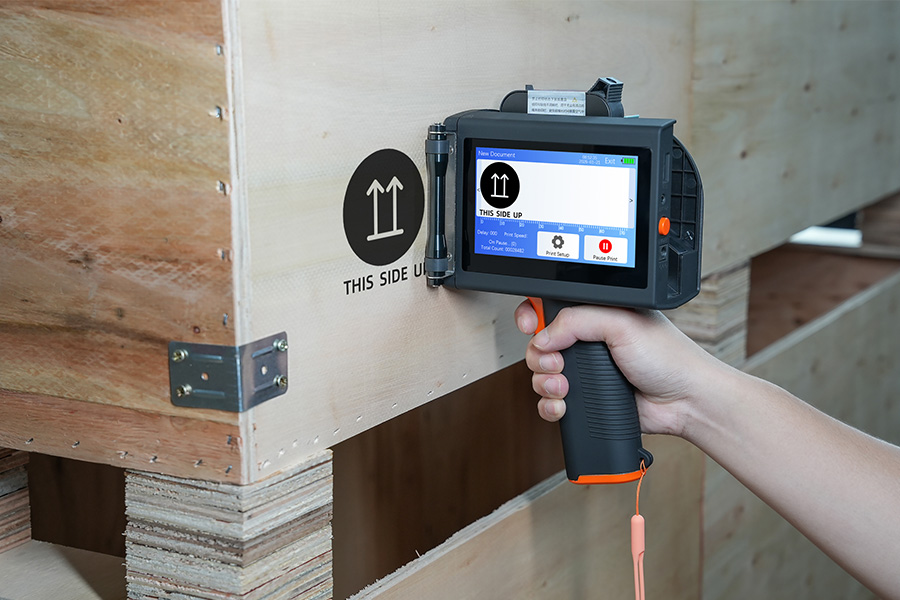
Handheld Inkjet Printer Warranty Questions Buyers Should Ask Before Ordering
Ask these handheld inkjet printer warranty questions to clar...
-

Handheld Inkjet Printer Order Checklist: Printer, Ink, Accessories, and Spare Parts
Use this purchase checklist to confirm the printer, ink, acc...
-
What Information Should You Send for an Accurate Handheld Inkjet Printer Quote?
Use this RFQ worksheet to send the material, message, print ...
-
How to Print Scannable Barcodes and QR Codes on Plastic Packaging
Learn how to print scannable barcodes and QR codes on plasti...
Contact Us

Service phone number+8618759952301
—— Add WeChat communication


